
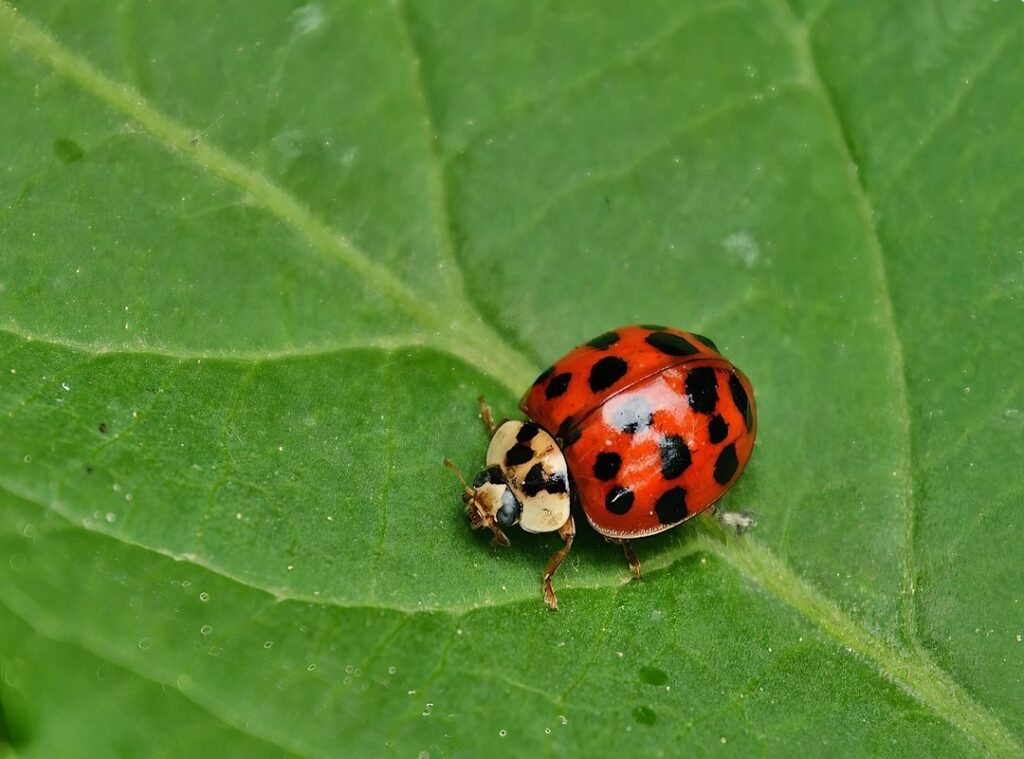
I’ve dealt with my fair share of serangga hijau kecil gatal. They’re not just annoying; they can be a real pain. Literally.
You might be scratching your head, wondering what these little buggers are and how to get rid of them.
These tiny green pests can cause a lot of discomfort. And let’s be honest, no one wants to deal with itchy skin or potential health issues.
This article is all about helping you identify, understand, and manage these pesky insects. I’ve done the research and talked to experts, so you can trust the info here.
Let’s dive in and get you the relief you need.
Identifying Small Green Itchy Insects
Let’s face it. Dealing with small green itchy insects can be a real pain. You find them crawling on your skin, and suddenly you’re scratching like crazy.
Common Types: The most common culprits are mites, aphids, and certain types of caterpillars.
Physical Characteristics: These tiny pests are usually less than a quarter-inch long. They come in various shades of green, making them hard to spot among leaves and plants. Some have distinctive features like spines or waxy coatings.
Behavioral Traits: These insects love hanging out in gardens and fields. Mites, for example, are often found in the soil or on plant leaves. Aphids and caterpillars feed on plant sap and leaves, causing damage to your garden.
serangga hijau kecil gatal can be a real nuisance. They seem to appear out of nowhere and make your life miserable.
Pro Tip: Keep an eye on your plants and check for signs of infestation regularly. Early detection can save you a lot of trouble.
Causes of Itching and Health Concerns
Allergic Reactions: Serangga hijau kecil gatal and other insects can cause itching and allergic reactions in humans. When these bugs bite or sting, they inject a bit of their saliva into your skin, which can trigger an immune response.
Bite and Sting Symptoms: Common symptoms include redness, swelling, and itching. Sometimes, you might also feel a burning sensation or see a small bump.
Health Risks: These bites and stings can lead to more serious issues. For example, if you scratch the area too much, it can get infected. In some cases, people have severe allergic reactions that need immediate medical attention.
It’s important to note that not everyone reacts the same way. Some folks might just have a mild itch, while others could end up in the hospital. If you’re ever unsure, it’s best to consult a healthcare professional.
How to Identify an Infestation
Spotting an infestation early can save you a lot of trouble. Key signs to look for include visible insects, bite marks, and damage to plants or property.
Check common locations like kitchens, bathrooms, and basements. Outdoors, focus on gardens, decks, and around the foundation.
Serangga hijau kecil gatal can be a real nuisance. If you see them, it’s a good idea to take action quickly.
Detection methods are pretty straightforward, and use sticky traps and do visual inspections. These simple steps can help you confirm if you have an infestation.
Regular checks and quick action can prevent bigger problems down the line. Don’t wait until it’s too late.
Prevention and Control Measures

Managing your environment is key. You want to make it less attractive to those pesky serangga hijau kecil gatal.
- Remove standing water. Check for any puddles, old tires, or containers that can hold water.
- Keep it clean. Regularly clean gutters, drains, and other areas where water can accumulate.
Natural remedies can be surprisingly effective.
- Essential oils. Peppermint, eucalyptus, and citronella oils are great. Just mix a few drops with water in a spray bottle and apply around your home.
- Diatomaceous earth. This powder is made from fossilized algae and can be sprinkled in areas where these insects like to hang out.
Sometimes, you might need to go the chemical route.
- Insecticides. Use them sparingly and follow the instructions carefully. Apply in the early morning or late evening when insects are most active.
- Repellents. Look for products with DEET or picaridin. Apply to exposed skin and clothing, but avoid overuse.
Safety first, always.
- Wear protective gear. Gloves and a mask when using chemicals.
- Store safely. Keep all chemicals out of reach of children and pets.
By following these steps, you can keep those annoying insects at bay. Bikimsum
First Aid and Treatment for Bites and Stings
When you get bitten or stung, the first thing to do is stay calm. It’s natural to panic, but that won’t help.
Clean the affected area with soap and water. This helps remove any venom or bacteria. Then, apply ice to reduce swelling and pain.
Simple, right?
Over-the-counter treatments can be a lifesaver, and antihistamines like Benadryl can help with itching. Pain relievers like ibuprofen can ease the discomfort.
Topical creams with hydrocortisone are also great for reducing inflammation.
Now, when should you seek medical help? If you experience severe symptoms like difficulty breathing, dizziness, or a rapid heartbeat, get to a hospital. These could be signs of a serious allergic reaction.
Persistent symptoms are another red flag. If the pain, swelling, or redness doesn’t go away after a day or two, it’s time to see a doctor. Better safe than sorry, right?
Let’s talk about the serangga hijau kecil gatal. I’m not an entomologist, so I can’t give you all the details. But if you get bitten by one, follow the same steps: clean, ice, and over-the-counter meds.
If you’re unsure, consult a professional.
Remember, it’s okay to admit when you’re not sure. That’s part of being human.
Frequently Asked Questions (FAQs)
Q: How can I tell if the insect is a mite or an aphid?
A: Mites are usually tiny and hard to see with the naked eye. They often look like small, moving dots.
Aphids, on the other hand, are a bit larger and more visible. They tend to cluster on new growth and can be green, black, or even pink. If you see a group of small, pear-shaped insects, it’s likely aphids.
Q: Are these insects harmful to pets?
A: Generally, mites and aphids aren’t directly harmful to pets. However, they can cause indirect issues.
For example, if your pet rolls in an infested area, they might experience skin irritation. It’s always a good idea to keep your garden pest-free for everyone’s comfort.
Q: Can I use natural remedies for my garden?
A: Absolutely! Natural remedies like neem oil, insecticidal soaps, and introducing beneficial insects can be very effective.
These methods are not only safer for the environment but also for your plants and pets. Plus, they can help you avoid the harsh chemicals found in some commercial pesticides.
Pro Tip: Keep an eye out for serangga hijau kecil gatal—those pesky little green bugs that can cause a lot of trouble.
Managing Small Green Itchy Insects
serangga hijau kecil gatal can be a nuisance, causing discomfort and irritation. Identifying these insects is the first step in managing them. Look for small, green, and itchy pests that often appear in clusters.
Understanding their behavior and habitat is crucial. These insects thrive in warm, humid environments and can be found on plants or in damp areas.
Prevention is key. Regularly clean and dry potential breeding spots to deter these pests. Early detection helps in preventing an infestation.
Inspect your surroundings frequently, especially during warmer months.
Appropriate treatment is essential once detected. Use natural remedies like neem oil or insecticidal soaps. For severe cases, consult a pest control professional.
Take proactive steps to protect yourself and your environment. By maintaining a clean and dry space, you can significantly reduce the risk of serangga hijau kecil gatal infestations.
 Terry Gutierrezenics writes the kind of momentum moments content that people actually send to each other. Not because it's flashy or controversial, but because it's the sort of thing where you read it and immediately think of three people who need to see it. Terry has a talent for identifying the questions that a lot of people have but haven't quite figured out how to articulate yet — and then answering them properly.
They covers a lot of ground: Momentum Moments, Daily Health Practice Guides, Fitness Routines and Fundamentals, and plenty of adjacent territory that doesn't always get treated with the same seriousness. The consistency across all of it is a certain kind of respect for the reader. Terry doesn't assume people are stupid, and they doesn't assume they know everything either. They writes for someone who is genuinely trying to figure something out — because that's usually who's actually reading. That assumption shapes everything from how they structures an explanation to how much background they includes before getting to the point.
Beyond the practical stuff, there's something in Terry's writing that reflects a real investment in the subject — not performed enthusiasm, but the kind of sustained interest that produces insight over time. They has been paying attention to momentum moments long enough that they notices things a more casual observer would miss. That depth shows up in the work in ways that are hard to fake.
Terry Gutierrezenics writes the kind of momentum moments content that people actually send to each other. Not because it's flashy or controversial, but because it's the sort of thing where you read it and immediately think of three people who need to see it. Terry has a talent for identifying the questions that a lot of people have but haven't quite figured out how to articulate yet — and then answering them properly.
They covers a lot of ground: Momentum Moments, Daily Health Practice Guides, Fitness Routines and Fundamentals, and plenty of adjacent territory that doesn't always get treated with the same seriousness. The consistency across all of it is a certain kind of respect for the reader. Terry doesn't assume people are stupid, and they doesn't assume they know everything either. They writes for someone who is genuinely trying to figure something out — because that's usually who's actually reading. That assumption shapes everything from how they structures an explanation to how much background they includes before getting to the point.
Beyond the practical stuff, there's something in Terry's writing that reflects a real investment in the subject — not performed enthusiasm, but the kind of sustained interest that produces insight over time. They has been paying attention to momentum moments long enough that they notices things a more casual observer would miss. That depth shows up in the work in ways that are hard to fake.