
You’re scrolling again.
Reading three different articles about the same symptom. One says rest. Another says push through.
A third blames your diet, your phone, your childhood.
None of them sound like they’ve actually treated someone like you.
I’ve been in exam rooms for over twenty years. Not just diagnosing. Listening.
Adjusting. Watching what works and what doesn’t in real time.
This isn’t wellness content dressed up as medicine.
It’s Medication Advice Shmgmedicine. Grounded in clinical practice, not trends.
No cookie-cutter protocols. No vague “listen to your body” hand-waving. Just clear reasoning behind every recommendation.
I see patients who’ve been told conflicting things by well-meaning friends, influencers, or even other clinicians.
That confusion stops here.
What you get is direct, evidence-informed guidance. Shaped by thousands of real visits, ongoing learning, and actual outcomes.
Not theory. Not hope. Not hype.
Just what’s worked (for) people with jobs, kids, busy lives, and real symptoms.
You’ll know why a dose is adjusted. Why one drug fits and another doesn’t. Why timing matters more than most realize.
This article answers the questions you’re too tired to Google again.
Let’s start with what actually helps.
Why SHMG Medicine Doesn’t Just Guess at Your Health
I’ve seen too many patients get generic advice based on a single blood pressure number. Or a lab value pulled out of context. It’s lazy.
And it’s dangerous.
SHMG Medicine starts with your real life (not) a symptom checklist.
They look at your full medical history. Not just what’s written down, but what you remember and what you feel. Sleep quality.
Stress patterns. Medication adherence (not just whether you have the prescription. Whether you’re actually taking it).
Lab trends, not one-off numbers.
Two people walk in with 142/90 today. One is stressed, skipping meds, sleeping four hours. The other is consistent, rested, but has rising creatinine over six months.
Their guidance? Totally different.
That’s not nuance. That’s basic competence.
Their Medication Advice Shmgmedicine isn’t about swapping pills. It’s about asking: Is this dose still right for who you are now?
They tier everything. Immediate actions (like) holding a diuretic before a flight. Short-term adjustments (adding) magnesium if cramps and low potassium line up.
Long-term prevention (gut) health work before metabolic markers shift.
Most sites stop at “take this pill.” SHMG asks why you’re taking it (and) whether it still fits.
I’ve watched patients reverse prediabetes because someone finally connected their fasting glucose to their night-shift schedule and cortisol rhythm.
You don’t get that from an algorithm trained on averages.
You get it from humans who read your chart and listen to your voice.
Health Guidance: When to Trust It and When to Run
I use health guidance like a flashlight. Not a map. It shows what’s in front of me.
It doesn’t tell me where to go next.
First question: Is this something I can track myself?
If your energy dips after lunch every day for two weeks, that’s data. If your chest tightens once while climbing stairs? That’s not data.
That’s a stop sign.
Here’s how I decide:
If a symptom lasts more than 7 days AND you’re over 50 OR on blood thinners → call your provider today. If it’s mild fatigue with no other signs? Try better sleep and hydration for 7 days.
Then reassess.
SHMG guidance covers test result context. Lifestyle tweaks. Even Medication Advice Shmgmedicine.
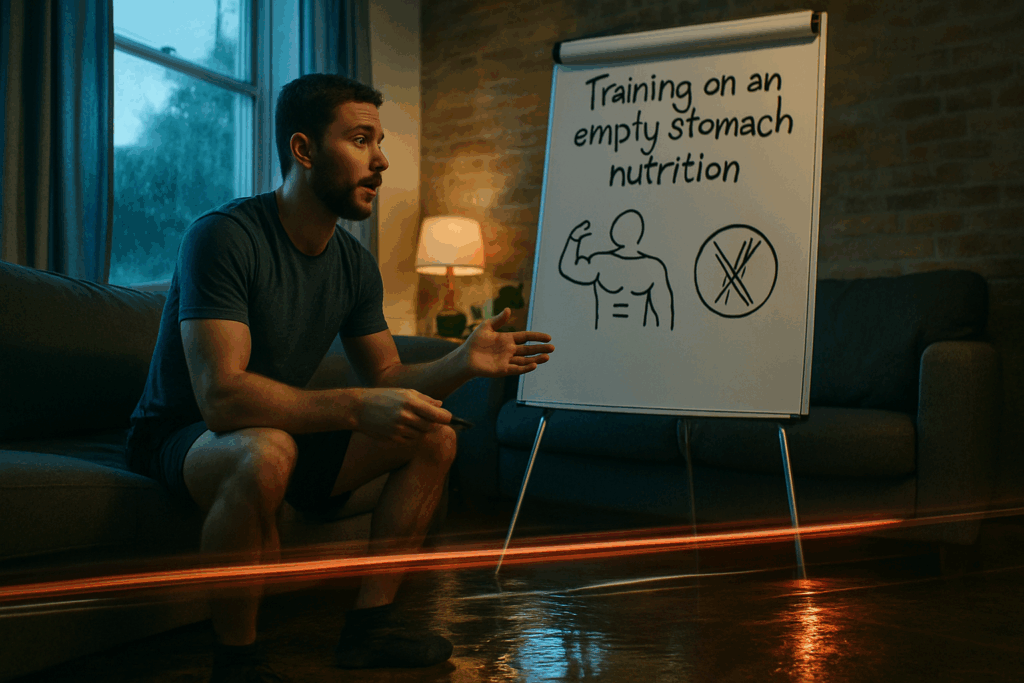
Like whether to take your statin with dinner or on an empty stomach. It does not cover sudden weakness, vision changes, or unexplained weight loss. Those need a stethoscope.
Not a screen.
I keep a running note on my phone: “What did my body do before the symptom started?”
That question catches patterns faster than any app.
When I talk to my doctor, I say: “I saw this in my tracking, and SHMG says it could point to X (but) I want your eyes on it.”
Not “I read online…”
Not “The algorithm said…”
Just: Here’s what I saw. What do you see?
You’re not outsourcing care. You’re showing up prepared. That changes everything.
Personalized Health Guidance: Not What You Think
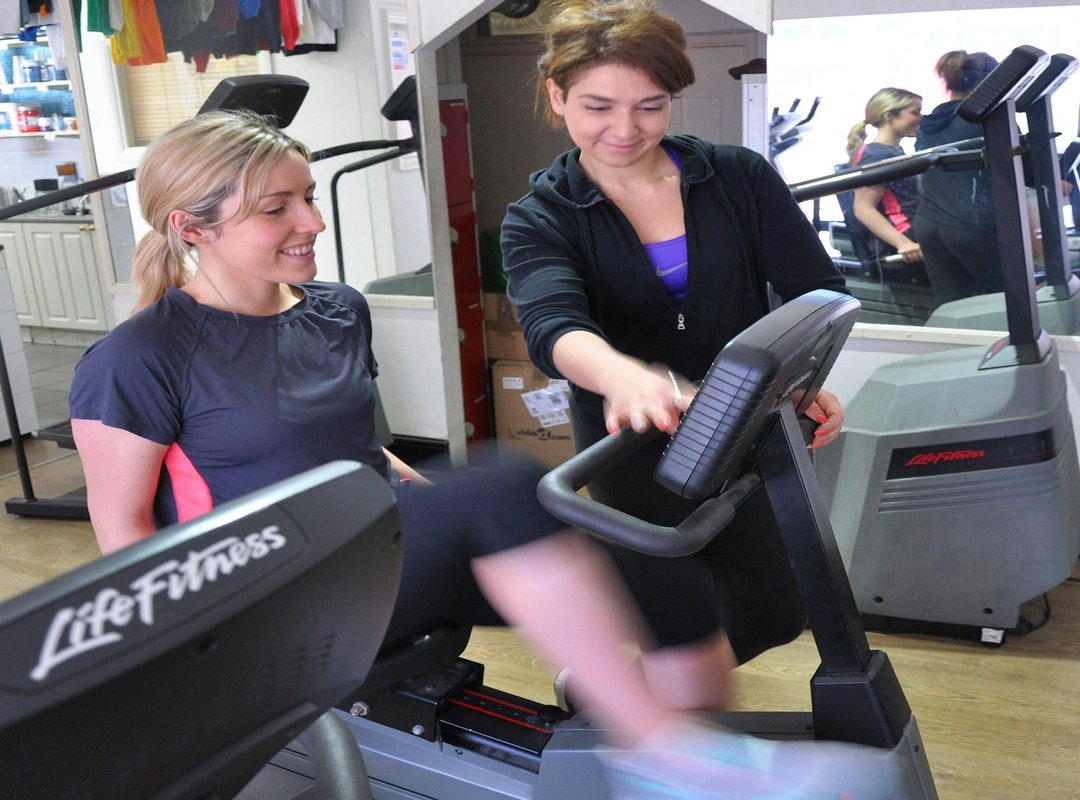
Personalized health guidance isn’t a luxury. It’s practical. It’s flexible.
I’ve seen people pay $300 for a single lab review. Then ignore the free, evidence-based system that caught the same red flag three months earlier.
“Natural” doesn’t mean anti-science. (I cringe every time someone swaps insulin for turmeric tea.) Real integration means using Medication Advice Shmgmedicine with labs, lifestyle data, and clinical context. Not instead of it.
You don’t need a diagnosis to benefit. In fact, waiting until you’re sick is like checking your car’s oil after the engine seizes.
Think of SHMG guidance like a seasoned navigator. Not a GPS that shouts “recalculating!” at every turn. This person reads weather shifts, terrain changes, fuel levels.
All in real time.
They adjust before you run low.
That’s why early pattern recognition matters more than most realize. Your energy dip at 3 p.m.? Your sleep latency creeping up?
That’s data. Not noise.
And if you’re managing meds, the details matter even more. Which is why I send people straight to this article before they tweak a single dose.
Don’t wait for crisis mode. Start now.
Habits That Actually Stick: Not What You Think
I tried the “perfect routine” thing. Woke up at 5 a.m. Meditated.
Drank lemon water. Did yoga. Lasted 3 days.
Then I watched what worked for real people. Not influencers, not biohackers. Patients and clinicians at SHMG.
Three habits kept showing up. Not flashy. Not exhausting.
Just consistent.
Consistent hydration timing means drinking most of your water between 8 a.m. and 2 p.m. Not chugging at noon after three coffees. Cortisol peaks early.
Kidneys filter best when you’re active and hydrated (not) dehydrated then flooded.
Swap one soda for infused water. That’s it. No juice.
No fancy bottles. Just cucumber or lemon in your glass.
Intentional movement breaks every 90 minutes? Yes. Set a phone alarm.
Stand. Walk to the bathroom. Stretch your hamstrings.
Do it even if you’re “in flow.” Your brain resets. Your circulation catches up.
Pre-bed light reduction isn’t about total darkness. Dim overhead lights by 8 p.m. Use lamps.
Skip the blue-lit scroll. Melatonin doesn’t care about your to-do list.
Track consistency over 10 days (not) perfection. Missed a break? Fine.
Skipped water at noon? Keep going. One day doesn’t erase nine.
This isn’t about willpower. It’s about stacking tiny cues into your existing day.
You don’t need more advice. You need fewer decisions.
How Medicine Is Made Shmgmedicine taught me that most “breakthroughs” are just small things done daily. Then scaled.
Medication Advice Shmgmedicine matters less than how you show up for your body between doses.
Stop Drowning in Health Noise
I’ve seen it. You open three tabs, read two conflicting articles, and close your laptop exhausted.
That’s not guidance. That’s noise.
Medication Advice Shmgmedicine cuts through it (no) jargon, no dogma, no “shoulds” that ignore your real life.
You don’t need a full overhaul. You need one thing that works. today.
So pick one habit from section 4. Just one.
Do it for seven days. Write down one observation each day. Not a diary.
Not an audit. Just one sentence.
That’s how clarity starts. Not with perfection. Not with more information.
With action you actually take.
Your health isn’t waiting for perfect conditions. It responds to thoughtful, consistent choices, starting now.
 Terry Gutierrezenics writes the kind of momentum moments content that people actually send to each other. Not because it's flashy or controversial, but because it's the sort of thing where you read it and immediately think of three people who need to see it. Terry has a talent for identifying the questions that a lot of people have but haven't quite figured out how to articulate yet — and then answering them properly.
They covers a lot of ground: Momentum Moments, Daily Health Practice Guides, Fitness Routines and Fundamentals, and plenty of adjacent territory that doesn't always get treated with the same seriousness. The consistency across all of it is a certain kind of respect for the reader. Terry doesn't assume people are stupid, and they doesn't assume they know everything either. They writes for someone who is genuinely trying to figure something out — because that's usually who's actually reading. That assumption shapes everything from how they structures an explanation to how much background they includes before getting to the point.
Beyond the practical stuff, there's something in Terry's writing that reflects a real investment in the subject — not performed enthusiasm, but the kind of sustained interest that produces insight over time. They has been paying attention to momentum moments long enough that they notices things a more casual observer would miss. That depth shows up in the work in ways that are hard to fake.
Terry Gutierrezenics writes the kind of momentum moments content that people actually send to each other. Not because it's flashy or controversial, but because it's the sort of thing where you read it and immediately think of three people who need to see it. Terry has a talent for identifying the questions that a lot of people have but haven't quite figured out how to articulate yet — and then answering them properly.
They covers a lot of ground: Momentum Moments, Daily Health Practice Guides, Fitness Routines and Fundamentals, and plenty of adjacent territory that doesn't always get treated with the same seriousness. The consistency across all of it is a certain kind of respect for the reader. Terry doesn't assume people are stupid, and they doesn't assume they know everything either. They writes for someone who is genuinely trying to figure something out — because that's usually who's actually reading. That assumption shapes everything from how they structures an explanation to how much background they includes before getting to the point.
Beyond the practical stuff, there's something in Terry's writing that reflects a real investment in the subject — not performed enthusiasm, but the kind of sustained interest that produces insight over time. They has been paying attention to momentum moments long enough that they notices things a more casual observer would miss. That depth shows up in the work in ways that are hard to fake.