

Why Meal Timing Matters in 2026
It’s easy to focus on macros, calories, and food quality but if you’re not paying attention to when you eat, you’re leaving performance on the table. Whether you’re hitting the gym five days a week or squeezing in weekend long runs, timing your meals can sharpen your edge.
Your body thrives on rhythm. Eating in sync with your training helps you make the most out of your workouts and recovery. Fuel at the right time and you’ll lift heavier, run longer, and bounce back faster. Miss the window, and even a clean diet can fall flat when it matters most.
Meal timing isn’t just for elite athletes. It benefits anyone pushing their limits whether you’re grinding through a HIIT session or chasing your first 10K. Strategic eating supports muscle repair, stabilizes energy levels, and keeps you from crashing halfway through a workout or a workday.
The bottom line: it’s not about perfect timing it’s about better timing. Get that right, and your training and energy won’t just improve they’ll hold steady, day after day.
Before You Train: Pre Workout Fueling
Training on fumes doesn’t end well. To get the most out of your session, eat 1 to 3 hours beforehand. This gives your body time to digest and convert food into usable energy. Target a meal built around complex carbs, some moderate protein, and minimal fat. Think brown rice and chicken, or Greek yogurt with oats. It should be simple, steady burning, and easy to tolerate.
Hydration is just as critical. Even mild dehydration can drag down performance before you feel tired. Start sipping water early, and don’t show up to the gym playing catch up.
If you’re training first thing in the morning, you might not have time for a full meal. That’s where quick options come in. A banana or a small smoothie 30 minutes before you train can be enough to kickstart your system without sitting too heavy.
Bottom line: prep your body like you mean it fuel ahead, hydrate always.
After You Train: Post Workout Recovery
The first 30 60 minutes after a workout is when your body is most efficient at bouncing back. Glycogen stores are drained and muscle fibers are slightly torn this is where real recovery begins. What you eat now matters more than at any other time of day.
To kickstart repair, aim to pair fast digesting carbohydrates with lean protein. This combo not only refuels your muscles but also triggers the rebuilding process. Think: a whey protein shake with a banana, or scrambled eggs on toast. It’s simple, it works.
If you’ve just wrapped up resistance training, don’t guess get about 20 to 30 grams of quality protein into your system. That’s the sweet spot for maximizing muscle protein synthesis and speeding up recovery. Skip this window, and you’re leaving gains on the table.
Why Spacing Meals Matters
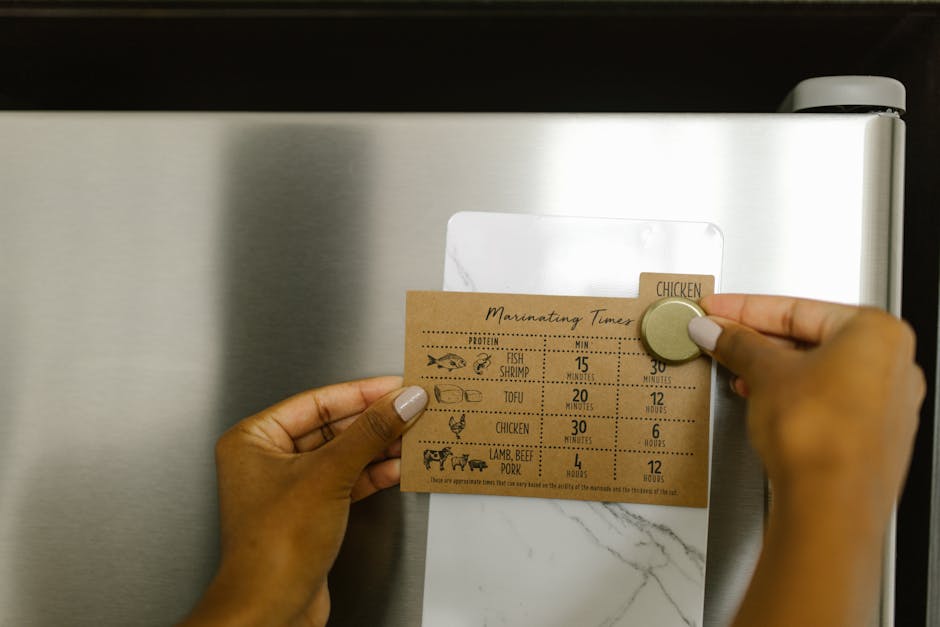
Eating every 3 5 hours isn’t a gimmick it’s a rhythm most bodies work well with. When you space meals evenly throughout the day, blood sugar stays steady. That means fewer energy crashes, better focus, and none of that mid afternoon slump that makes everything feel harder than it should be.
It also stops the extremes. Go too long without eating and you’re more likely to binge later, making smart choices harder. Frequent meals keep hunger cues tame and manageable, so you’re not chasing calories at night.
There’s also a muscle upside. Protein synthesis the process your body uses to build and repair muscle benefits from a steady drip of amino acids. Regular meals, spaced every few hours, help bring that consistency. It’s not about grazing nonstop; it’s about fuel in sync with your goals.
Bedtime Eating: Myth vs. Strategy
There’s long been debate about eating before bed, but the truth is more nuanced than a blanket “no food after 8 PM.” If you’re strength training or aiming for muscle maintenance, a light snack rich in casein protein like cottage cheese or Greek yogurt can actually work in your favor. Casein digests slowly, releasing amino acids through the night and helping reduce muscle breakdown while you sleep.
That said, heavy meals late at night can mess with sleep quality. Bloating, reflux, or just feeling too full can hurt your recovery more than help it. So keep it simple: skip the big dinners right before lights out, but don’t be afraid of a small, protein forward snack if your body needs it. It’s about what makes you feel fueled not just full.
Nutrient Quality Still Wins
Meal timing is only one piece of the performance puzzle. If the quality of your food is poor, no amount of perfect timing will make up for it. What you eat still matters just as much as when you eat it.
Why Food Quality Counts
Low grade, ultra processed foods can spike energy briefly but leave you crashing later.
Whole foods support immune health, hormone balance, and muscle recovery.
Clean, balanced nutrition fuels consistent training gains and reduces inflammation.
Build a Foundation with Nutrient Dense Choices
Aim to eat nutrient dense foods throughout the day not just around workouts.
Top picks:
Lean proteins like chicken, fish, eggs, and legumes
Complex carbohydrates such as quinoa, sweet potatoes, and oats
Healthy fats from sources like olive oil, avocado, and nuts
Micronutrient rich vegetables and fruits in a variety of colors
Resource for Deeper Nutrition Guidance
For a breakdown of foods that directly support muscle growth and post exercise recovery, check out this in depth guide:
The Best Whole Foods for Muscle Growth
Bottom Line: Simple Strategy, Lasting Results
When it comes to meal timing, the most effective approach is one that aligns with your training schedule and supports your long term goals. Overcomplicating nutrition often leads to burnout or inconsistency. Instead, prioritize a system that’s repeatable, intentional, and built around your daily rhythm.
Align Meals with Your Training Phases
To get the most out of your workouts and your recovery consider how your meals correspond with each training phase:
Pre workout: Prioritize complex carbs and light protein to fuel your session.
Post workout: Use the anabolic window to replenish glycogen and start muscle repair.
Throughout the day: Stay consistent with timing to support energy levels and protein synthesis.
Before bed: If needed, choose slow digesting protein to sustain recovery overnight.
In 2026 and Beyond: Keep It Consistent
What matters most isn’t a perfect schedule it’s a sustainable one. As nutrition science evolves, one truth remains: consistency beats complexity.
Stick to nutrient dense foods at each meal
Maintain a meal pattern that works with your lifestyle
Adjust timing based on your training intensity, but avoid major shifts without purpose
Smart meal timing isn’t about rigid rules; it’s about creating a strategy that supports performance, recovery, and overall well being for the long haul.