

Why Whole Foods Matter for Muscle Gains
Supplements have their place, but they can’t match the nutrient density of whole foods. When you eat real food chicken, oats, lentils, greens you’re not just getting protein or carbs. You’re also getting a package deal: fiber, antioxidants, healthy fats, and co factors that help your body absorb and use nutrients more effectively.
Over time, this makes a difference. Whole foods support long term health, not just short term gains. Your joints, digestion, hormones, and recovery systems all benefit from a more complete fuel source. This isn’t about chasing macros it’s about treating your body like something built to perform.
And here’s the kicker: fewer additives, no mystery ingredients, and no weird crash later. Real food gives your body what it recognizes fuel it knows how to use. For anyone training seriously (or just trying to show up strong every day), that’s the edge that actually lasts.
Top Protein Packed Whole Foods
Muscle doesn’t build itself your body needs reliable, high quality protein to rebuild and grow stronger. Whole foods give you exactly that: dense, efficient fuel without the filler.
Start simple. Lean meats like chicken breast, turkey, and grass fed beef give your body complete proteins. They’re low in fat, high in muscle building amino acids, and easy to prep in bulk.
Fish is another heavy hitter especially the wild caught kind. Salmon, tuna, and sardines pack in protein and come loaded with omega 3s that fight inflammation and help with recovery.
Eggs? Still undefeated. One of the few natural sources of complete protein, and rich in leucine, a key amino acid for muscle growth.
Dairy options like Greek yogurt, cottage cheese, and kefir bring more than just protein. They’re rich in casein (a slow digesting protein ideal before bed) and probiotics for gut health which matters more than people think.
Not eating animal products? You’re still covered. Lentils, chickpeas, tempeh, and quinoa are powerful plant based options. They’re not just high in protein they offer fiber, iron, and complex carbs that support training recovery.
For more strong picks, check out this expanded muscle food list.
Smart Carbs that Fuel Performance
Not all carbs are created equal especially when you’re building muscle. The key is sticking to sources that give you lasting energy and help you recover, not crash.
Start with the heavy hitters: brown rice, oats, and sweet potatoes. These slow burning carbs keep your blood sugar steady, which means more consistent energy during workouts and fewer hunger crashes later. They’re also packed with nutrients like B vitamins and magnesium that quietly support strength and stamina.
Fruits are next. Bananas, berries, apples they’re not just snacks. They’re nature’s pre and post workout boosters. Bananas bring potassium to the table, helping with cramp prevention. Berries are loaded with antioxidants to fight inflammation. Apples give you fiber and natural sugars to refuel without going overboard.
Then there are legumes. Lentils, black beans, chickpeas. They punch above their weight in fiber and protein helping you stay full and feed your muscles at the same time. Plus, they’re shelf stable and budget friendly, which never hurts when you’re eating to grow.
One more point here: timing is a difference maker. Carbs around your workouts about 60 to 90 minutes before, and again soon after can directly impact training intensity and recovery. Before a session, they power your performance. After, they help replenish glycogen stores and kick start muscle repair.
Bottom line: carbs aren’t the enemy. The right ones, at the right time, are your secret weapon.
Fats That Help, Not Hurt
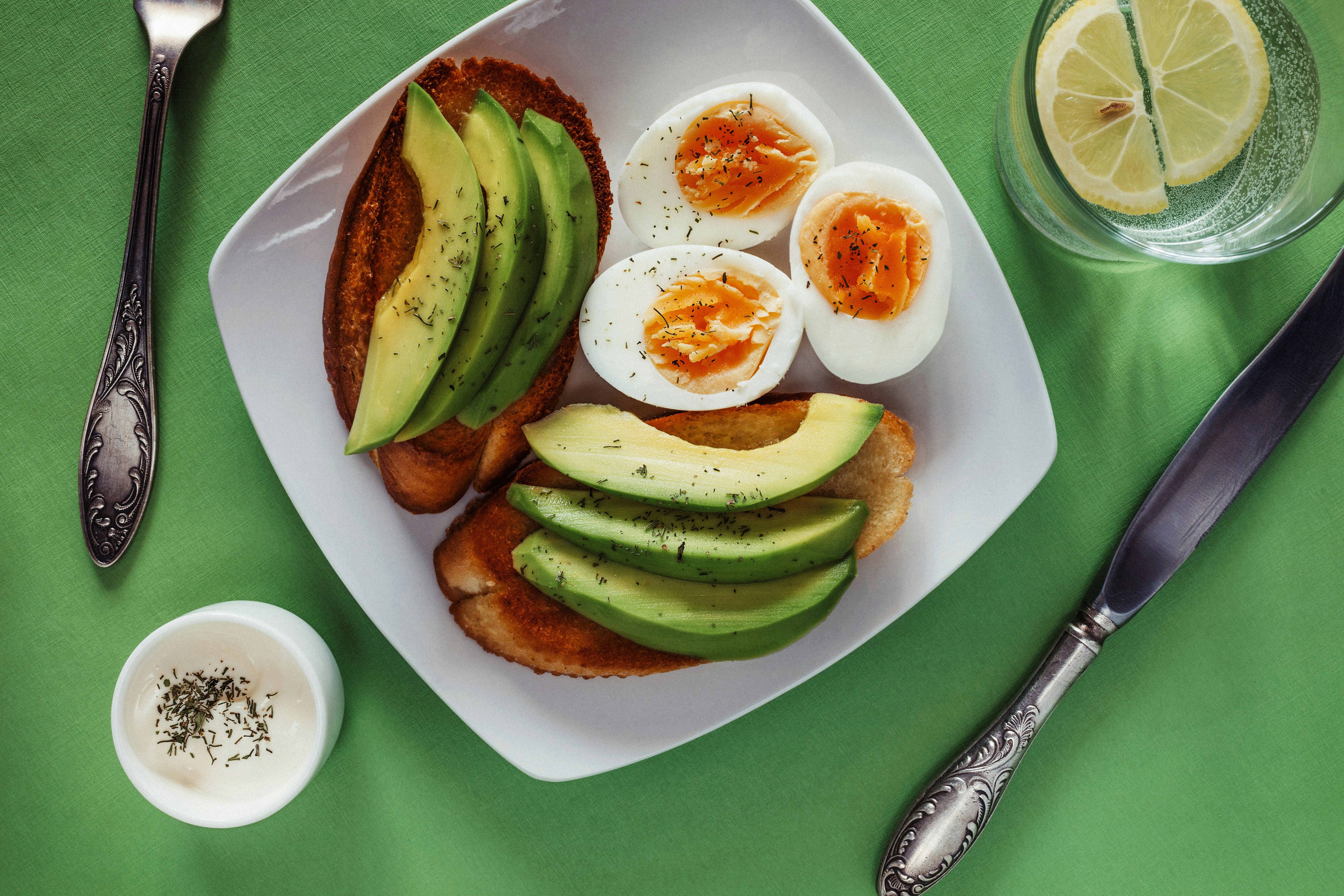
Not all fats are the enemy. In fact, the right kinds like olive oil, avocado, and raw nuts are essential if you’re serious about putting on muscle in a smart, sustainable way. The key isn’t loading up on quantity, but dialing in quality.
Healthy fats support testosterone production, which plays a direct role in muscle development and recovery. That alone makes them non negotiable if you’re training hard. They’re also the delivery system for fat soluble vitamins like A, D, E, and K nutrients that help with everything from bone strength to immune function.
Get your fats from whole food sources, not processed oil blends or random supplements. A handful of almonds, a spoon of olive oil drizzled over roasted vegetables, half an avocado with lunch these are simple, powerful fixes. They work quietly in the background so you can keep pushing forward at the gym and beyond.
Micronutrients You Shouldn’t Ignore
You can hit your protein goals, dial in your carbs, and still feel flat if your micronutrients are off. These are the quiet players in muscle development but they can make or break progress.
Start with magnesium. Found in dark leafy greens and pumpkin seeds, it’s a key player in energy production, nerve function, and muscle contraction. A deficiency won’t scream at you but it’ll drag your recovery and performance down quietly.
Zinc and iron matter just as much. Both help with muscle repair and immune recovery after tough sessions. Zinc also supports testosterone levels, which ties directly into gains. Iron? It gets oxygen to your working muscles. No oxygen, no fuel. Red meat, lentils, and pumpkin seeds are solid sources.
Then there’s the D + Calcium combo. Vitamin D helps your body absorb calcium, and together they support bone density and muscle function. That’s not just health talk strong bones are your scaffolding for lifting heavier, pushing harder, and staying injury free. You’ll get D from sun and fortified foods, and calcium from dairy, sardines, and leafy greens.
Micros don’t need to be complicated. Tuck them into your meals consistently and your body will handle the rest.
Make It Work for Real Life
Whole food nutrition doesn’t have to be complicated or expensive. Building a sustainable approach to eating for muscle growth means working with your schedule, your taste preferences, and your grocery budget. Here’s how to make it practical and enjoyable.
Simplify Your Whole Food Meal Prep
Meal prep is one of the easiest ways to stay consistent with quality nutrition. But it doesn’t need to consume your entire weekend.
Cook in batches: Prepare proteins, grains, and roasted vegetables in bulk.
Use one pan dishes: Sheet pan meals or stir fries minimize time and cleanup.
Portion ahead: Use containers to divide meals for the week, making grab and go nutrition easy.
Budget Friendly Grocery Strategy
Healthy doesn’t have to mean pricey. A smart plan goes a long way in making whole foods affordable.
Buy in bulk: Stock up on oats, rice, beans, and frozen vegetables.
Shop seasonal produce: It’s fresher, cheaper, and more nutrient rich.
Use store brands: They often provide the same quality at a lower cost.
Plan before you shop: Make a list based on your meals to avoid impulse buys.
Keep It Fresh: Rotate Your Nutrients
Avoid food fatigue and boost your nutrient intake by rotating new ingredients into your meals.
Change your protein weekly: Swap chicken for salmon or tempeh to get different amino acid profiles.
Try different grains: Quinoa, barley, and farro each offer unique textures and nutrients.
Spice it up: Herbs and spices don’t just add flavor they also come with antioxidant benefits.
Bonus Resource: Explore More Muscle Boosting Foods
For even more inspiration, check out our full guide on powerhouse whole foods that support lean muscle:
Explore the full muscle food list
Bottom Line for Natural Muscle Growth
Muscle doesn’t care about hype it responds to what you feed it, day in and day out. There are no miracle powders or secret shortcuts. What works is showing up consistently with real food that fuels your training, recovery, and growth.
It’s not about eating the same thing forever, either. Variety is how you cover your nutritional bases, avoid burnout, and keep progress moving. Mix proteins, rotate carbs, don’t fear healthy fats. Your body thrives when your nutrition is diverse and dependable.
Whole foods are the foundation. Supplements can support, but they’re not the structure just scaffolding. Build strong from the ground up with meals that come from the earth, not a lab. That’s how you get results that last.