
I’ve noticed a lot of buzz around the mom bang teen trend. It’s everywhere, and people are curious. But let’s be real, most of us don’t have a clue about its origins or what it actually means.
Do you find yourself wondering where it all started? I sure did. So, I decided to dive in and figure it out.
This trend is more than just a passing fad. It has some deep roots and interesting styles. And, yes, there are implications too.
You might be surprised by what I found.
Let’s get into it.
Defining ‘Mom Bang Teen’
What is ‘Mom Bang Teen’? It’s a term that’s been floating around, and it’s pretty self-explanatory. It refers to a hairstyle where the bangs are cut in a way that gives a youthful, edgy look, often seen on moms who want to stay trendy.
The trend has its roots in the desire for a fresh, modern appearance. Over time, it’s evolved from a simple haircut to a cultural statement.
Cultural Context: The media and social influencers have played a big role in popularizing this style. You see it all over Instagram and TikTok, with celebrities and everyday people alike embracing it.
It’s not just about looking younger; it’s about feeling confident and stylish. And in a world where everyone’s trying to stand out, a bold, well-executed mom bang teen can make a big difference.
Popular Styles and Variations
Classic Mom Bangs: This traditional style is all about soft, feathery bangs that frame the face. They’re usually cut a bit longer on the sides, giving a gentle, rounded look. It’s a timeless choice that works for most face shapes.
Modern Twists: These days, you see a lot more variation. Some people go for a blunt, straight-across cut, while others opt for choppy, asymmetrical styles. The key difference is in the edginess and boldness.
Modern twists can add a fresh, youthful vibe to your look.
Celebrity Influences: Celebrities and influencers have a big hand in popularizing different styles of mom bangs. Think of Emma Stone with her classic, side-swept bangs or Zendaya with her bold, choppy look. (They make it look so effortless, right?)
Pro Tip: If you’re a mom bang teen or just someone looking to switch up their style, these variations can help you find a look that suits your personality and lifestyle. Whether you want something classic or a bit more daring, there’s a style out there for you.
How to Achieve the ‘Mom Bang Teen’ Look
I get it. You want that mom bang teen look, but you’re not sure where to start. Let’s break it down.
First, gather your tools. You’ll need scissors, a fine-toothed comb, and a spray bottle with water. Simple, right?
- Scissors
- Fine-toothed comb
- Spray bottle with water
Now, let’s talk products. A good texturizing spray and a lightweight hairspray will be your best friends. They help add volume and hold without making your hair stiff.
- Texturizing spray
- Lightweight hairspray
Start by sectioning off the front part of your hair. Use the comb to create a straight line from one ear to the other. Wet the section lightly with the spray bottle.
This makes it easier to cut.
Hold the scissors vertically and snip into the hair, starting at the center and working your way out. This technique creates a soft, layered look. It’s all about the texture here.
Once you’ve cut, dry your bangs with a round brush. This helps set the style and adds a bit of lift. Finish with a light mist of hairspray to keep everything in place.
Maintaining mom bangs is key. Trim them every 2-3 weeks to keep them looking fresh. Use a little texturizing spray to add some oomph on days when they feel flat.
Remember, practice makes perfect. Don’t stress if it’s not exactly right the first time. With a bit of patience, you’ll nail that mom bang teen look in no time. Bikimsum
Pros and Cons of ‘Mom Bang Teen’ Hairstyles
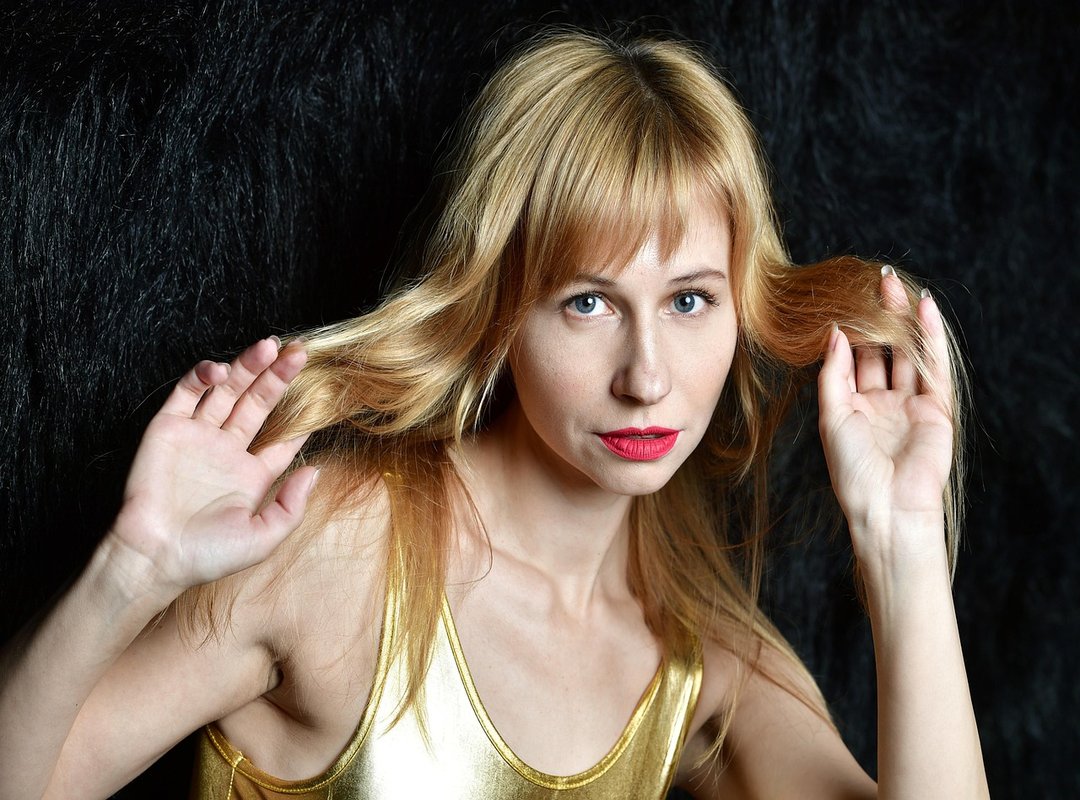
Let’s get real. Mom bang teen hairstyles can be a game-changer, but they’re not for everyone.
Pros:
- Versatility: These bangs can work with various hair lengths and styles. You can rock them with a ponytail or let your hair down.
- Face-Framing: They frame your face, making your features pop. It’s like getting a natural highlight without the makeup.
Cons:
- Maintenance: Regular trims are a must. If you skip them, you’ll end up with an overgrown mess.
- Styling Challenges: Not all hair types play nice with bangs. Curly or wavy hair? You might spend more time taming those fringes.
So, how do you know if mom bang teen is right for you?
Personal Suitability:
- Face Shape: Oval and heart-shaped faces often look great with these bangs. But if you have a round face, they might accentuate it.
- Hair Type: Straight or slightly wavy hair works best. If your hair is too curly, you might want to think twice.
In the end, it’s about what makes you feel good. Trust your gut and go for it if it feels right.
FAQs About ‘Mom Bang Teen’
Q1: Are mom bangs suitable for all face shapes?
Absolutely. Mom bangs can work for most face shapes, but the key is in the customization.
A skilled stylist can tailor the cut to complement your features, whether you have a round, oval, or heart-shaped face.
Q2: How often do I need to trim my mom bangs?
You’ll probably need to trim them every 4-6 weeks. This keeps them looking fresh and prevents them from getting too long and covering your eyes.
Q3: Can I style mom bangs with curly or wavy hair?
Yes, you can. In fact, mom bang teen styles are versatile enough to work with different hair textures.
Just use a bit of product to tame frizz and define your curls. It’s all about embracing your natural texture while keeping the bangs in check.
Real-Life Examples and Testimonials
Let’s talk about mom bang teen for a moment. It’s one thing to hear about it, but seeing real-life examples can make all the difference.
I’ve seen some incredible transformations. One woman, in her 40s, decided to try out the mom bang teen trend. She went from looking tired and stressed to vibrant and youthful.
Her before and after photos were stunning.
Another teenager embraced the style and found it gave her a more mature, polished look. Her confidence soared, and she started getting compliments left and right.
Seeing these changes can be really inspiring. If you’re on the fence, take a look at some before and after photos. They can help you visualize how the style might work for you.
Pro tip: Find a stylist who has experience with this trend. A good stylist can make or break your look.
Embracing the ‘Mom Bang Teen’ Trend
The mom bang teen trend is all about blending youthful and mature styles, creating a unique and versatile look. It involves adopting a hairstyle that can be both sophisticated and playful. Different styles within this trend include side-swept, blunt, and wispy bangs.
To achieve the look, start by choosing a style that complements your face shape. Then, consult with a stylist to ensure the cut is precise and suits your features. Consider the maintenance required for upkeep, as some styles may need more frequent trims.
Weighing the pros and cons is essential. Pros include a fresh, trendy look and the ability to frame your face in a flattering way. Cons might involve the time and effort needed for daily styling and regular salon visits.
Embracing new trends can be a fun and creative way to express yourself.
 There is a specific skill involved in explaining something clearly — one that is completely separate from actually knowing the subject. Suzanne Reillyownser has both. They has spent years working with nutrition optimization plans in a hands-on capacity, and an equal amount of time figuring out how to translate that experience into writing that people with different backgrounds can actually absorb and use.
Suzanne tends to approach complex subjects — Nutrition Optimization Plans, Bikim High-Intensity Intervals, Fitness Routines and Fundamentals being good examples — by starting with what the reader already knows, then building outward from there rather than dropping them in the deep end. It sounds like a small thing. In practice it makes a significant difference in whether someone finishes the article or abandons it halfway through. They is also good at knowing when to stop — a surprisingly underrated skill. Some writers bury useful information under so many caveats and qualifications that the point disappears. Suzanne knows where the point is and gets there without too many detours.
The practical effect of all this is that people who read Suzanne's work tend to come away actually capable of doing something with it. Not just vaguely informed — actually capable. For a writer working in nutrition optimization plans, that is probably the best possible outcome, and it's the standard Suzanne holds they's own work to.
There is a specific skill involved in explaining something clearly — one that is completely separate from actually knowing the subject. Suzanne Reillyownser has both. They has spent years working with nutrition optimization plans in a hands-on capacity, and an equal amount of time figuring out how to translate that experience into writing that people with different backgrounds can actually absorb and use.
Suzanne tends to approach complex subjects — Nutrition Optimization Plans, Bikim High-Intensity Intervals, Fitness Routines and Fundamentals being good examples — by starting with what the reader already knows, then building outward from there rather than dropping them in the deep end. It sounds like a small thing. In practice it makes a significant difference in whether someone finishes the article or abandons it halfway through. They is also good at knowing when to stop — a surprisingly underrated skill. Some writers bury useful information under so many caveats and qualifications that the point disappears. Suzanne knows where the point is and gets there without too many detours.
The practical effect of all this is that people who read Suzanne's work tend to come away actually capable of doing something with it. Not just vaguely informed — actually capable. For a writer working in nutrition optimization plans, that is probably the best possible outcome, and it's the standard Suzanne holds they's own work to.