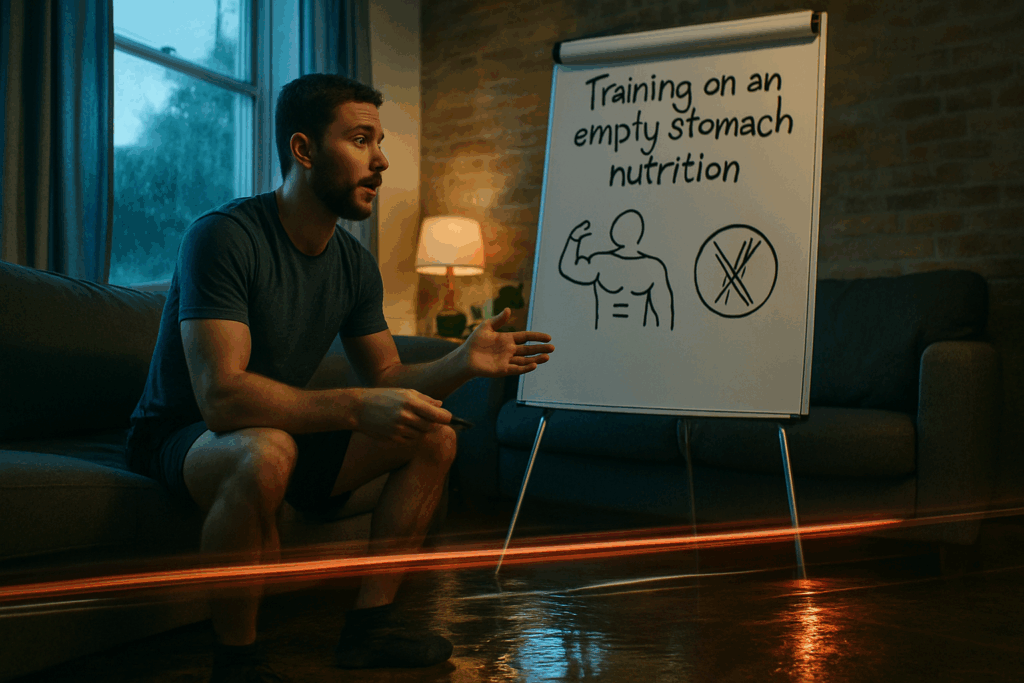
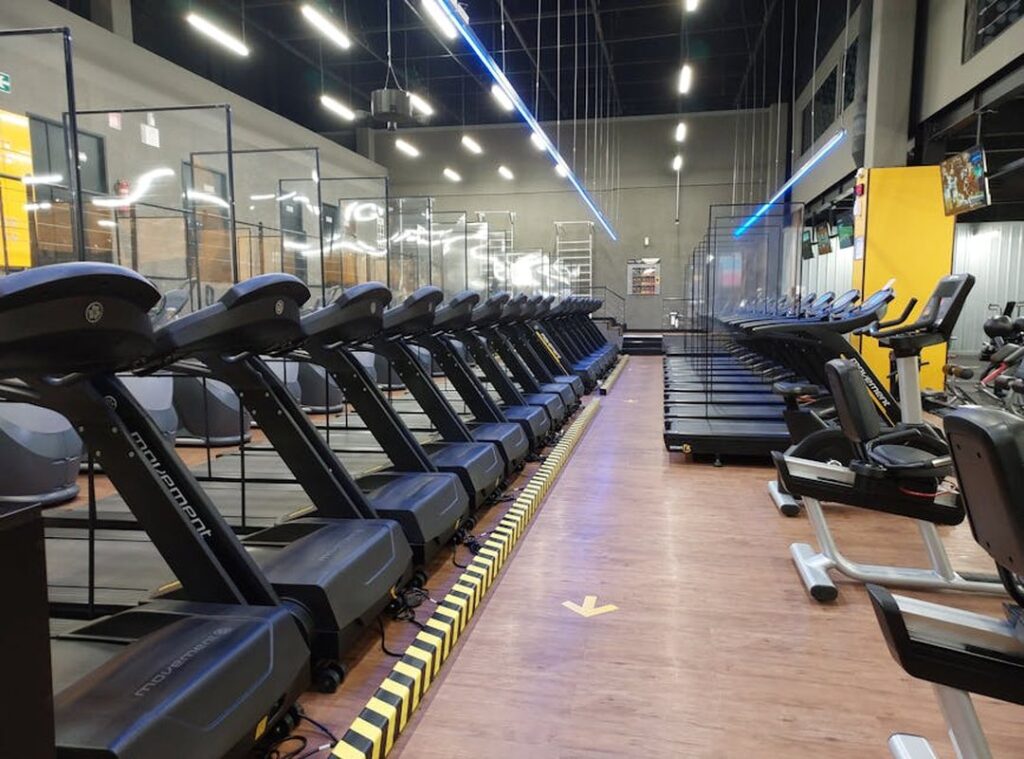
You’re logging miles. You’re consistent. You’re even watching what you eat.
But nothing’s changing.
You feel stuck. Like the treadmill is just spinning. And so are you.
That’s because exercise and nutrition don’t work in separate rooms. They have to talk to each other. Every day.
I’ve seen it a hundred times. People crush their workouts but skip the nutrition piece (or) worse, they diet hard but never move enough to support it.
This isn’t another vague fitness tip list.
This is the Treadmill Guide Tweeklynutrition.
A week-by-week plan that ties your treadmill time directly to what you eat. No guesswork.
No back-and-forth between apps or spreadsheets.
Just one clear system. Built to work. Tested with real people.
You’ll know exactly what to do. And when. Starting Monday.
Why Your Treadmill Workouts Aren’t Enough
I run. I’ve logged hundreds of miles. And for months, the scale didn’t move.
You’re probably nodding right now.
That’s because energy deficit isn’t about how hard you sweat (it’s) about what you eat versus what you burn.
You can’t outrun a bag of chips. Or three cookies. Or that “healthy” granola bar loaded with sugar.
Nutrition drives body composition. Not the treadmill. Not the heart rate monitor.
Not the playlist.
Studies show nutrition accounts for roughly 80% of visible results. (Yes, really (Harvard) Health backs this up.)
You might think: But I’m eating clean.
Are you? Or are you just eating less junk. And still overeating calories?
Treadmill time matters (but) only if your fuel matches your effort.
That’s why I built Tweeklynutrition (a) weekly, planned approach to eating that lines up with your actual schedule and goals.
No meal prep marathons. No calorie counting apps screaming at you. Just realistic structure.
It turns your treadmill time into real progress. Not just fatigue.
The Treadmill Guide Tweeklynutrition exists because most people skip the food part. And wonder why nothing changes.
I did too. Until I stopped blaming the machine.
Your body doesn’t know you ran 5 miles.
It knows you ate 900 extra calories after.
Fix the input first. Then demand more from the output.
Start there.
The Tweeklynutrition System: Your Week, Not a Spreadsheet
I built this schedule because I got tired of chasing perfect macros while missing real life.
Monday is HIIT Treadmill. Short. Brutal.
You’ll sweat before breakfast.
Tuesday is strength. Heavy. Slow.
No treadmill. Just you and the barbell.
Wednesday? Steady-state treadmill. Zone 2.
Podcast on. Mind empty.
Thursday is rest. Not “light walk” rest. Actual rest.
Lie down. Breathe. (Yes, really.)
Friday is incline treadmill. Hills. Long strides.
Legs burn. Heart stays steady.
Saturday is active recovery. Walk. Stretch.
Maybe swim. Don’t call it “recovery” if you’re grinding out intervals.
Sunday is meal prep. Not optional. This is where the whole week wins or fails.
Carbs go on treadmill days (not) as fuel for the workout, but to refill what you just torched. Eat them after, not three hours before.
Protein dominates strength days. Not just total grams (timing) matters. Hit 30g within 90 minutes post-lift.
I covered this topic over in Keto diet plan tweeklynutrition.
Hydration isn’t just water. It’s electrolytes on sweat days. No guesswork.
Protein pacing means spreading intake across 3 (4) meals. Not dumping 60g at dinner.
Smart carbs = oats, sweet potato, fruit. Not gummy bears labeled “gluten-free.”
Veggie volume means filling half your plate with raw or roasted greens (every) single meal.
Batch-cook chicken breasts. Salt, pepper, bake at 375° for 25 minutes. Done.
Chop bell peppers, cucumbers, broccoli. Store in glass containers. Grab-and-go.
Portion out almonds or walnuts into ¼-cup bags. No measuring mid-week.
This isn’t about discipline. It’s about removing decisions. Sunday prep removes 17 decisions next week.
The Treadmill Guide Tweeklynutrition isn’t theory. It’s what I run. Literally — every Monday through Saturday.
You don’t need perfection. You need consistency. And a sharp knife for Sunday prep.
Your Treadmill Workout Plan: 3 That Actually Work
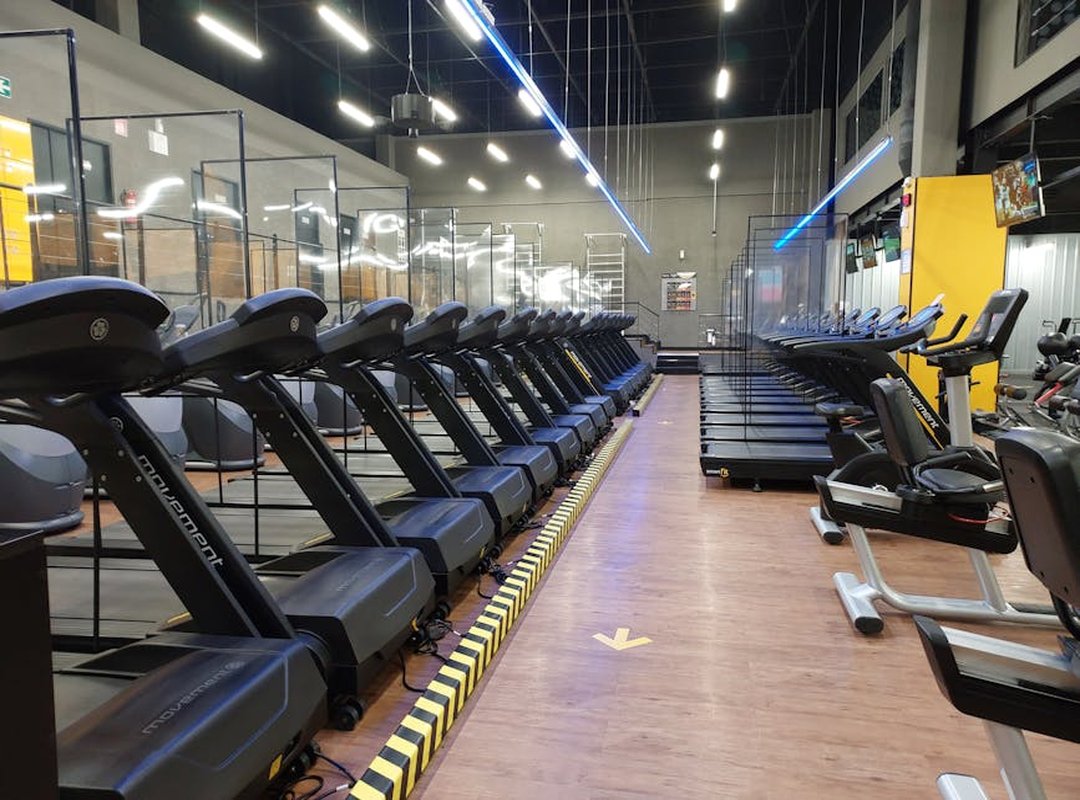
I’ve run hundreds of treadmill sessions. Most plans are fluff. These three?
I use them. And tweak them (weekly.)
Workout 1: The 20-Minute HIIT Blaster
This isn’t cardio theater. It’s calorie demolition.
| Time | Speed (mph) | Incline (%) |
|---|---|---|
| 0. 3 min | 3.5 | 0 |
| 3 (4) min | 8.0 | 0 |
| 4 (5) min | 3.5 | 0 |
| Repeat sprint/recovery 6x | . | — |
| Last 3 min | 3.5 → 2.5 | 0 |
You’ll gasp. You’ll hate me at minute 12. Then you’ll check your watch and realize it’s over.
HIIT burns more after the workout than steady-state ever will. Science backs this. (Look up EPOC if you’re skeptical.)
Workout 2: The 45-Minute Fat-Burning Walk/Jog
Yes. Walking can burn fat. But only if you do it right.
Keep your heart rate between 60 (70%) of max. For most people, that’s 115 (135) bpm. Use a chest strap.
Wrist trackers lie.
Walk at 3.8 mph, 3% incline for 5 minutes. Jog at 5.2 mph, 1% incline for 5. Alternate.
No sprinting. No stopping. Just rhythm.
You’ll sweat less than in HIIT (but) your body taps fat stores deeper.
Workout 3: The 30-Minute Hill Climb Challenge
This builds real leg strength. Not just endurance.
Start at 2.5 mph, 4% incline for 3 minutes. Every 3 minutes, bump incline by 1%. Hit 12% by minute 24.
Hold it. Then walk it down.
I covered this topic over in Fitness Meal Hacks Tweeklynutrition.
Your quads will scream. Your glutes will wake up. Your lungs will remember how to breathe.
This is where most people quit early. And miss the payoff.
You want real results? Skip the gimmicks. Stick with one of these (and) rotate weekly.
The Treadmill Guide Tweeklynutrition helped me nail pacing on days I felt flat. And if you’re pairing this with diet, the Keto Diet Plan Tweeklynutrition covers what to eat before and after these sessions.
Do the work. Track progress. Adjust only when needed.
Fueling Your Treadmill Sessions: Eat Before. Eat After.
I eat before I run. Always. You should too.
Here’s what works for me (no) fluff, no guessing:
- A banana
- A small apple with one tablespoon of peanut butter
Carbs give you energy. Simple as that. Not sugar crashes.
Not bloating. Just clean fuel.
After? Protein fixes what you just broke. Muscle repair starts within 60 minutes.
Miss it, and you’re leaving gains on the treadmill.
Try these:
- A protein shake with frozen berries
- Plain Greek yogurt with a handful of blueberries
This isn’t magic. It’s basic physiology. And if you want real-world meal ideas that actually fit into your schedule, this guide has my go-to hacks.
Including timing tricks and grocery shortcuts. It’s part of the Treadmill Guide Tweeklynutrition. Read more.
(No, really. Skip the “perfect” meal plans. Start here.)
Stop Wasting Time on the Treadmill
I’ve seen it too many times. You run. You sweat.
You feel tired. And nothing changes.
That’s because treadmill workouts alone don’t work. Not really.
They’re isolated. Disconnected from what you eat. From when you eat.
From how your body actually responds.
The fix isn’t more miles. It’s Treadmill Guide Tweeklynutrition.
It ties movement to meals. On purpose. Weekly planning.
Targeted effort. No guesswork.
You’re tired of spinning your wheels. I get it.
So here’s what to do this week:
Choose ONE workout from this guide. Plan your pre- and post-workout snack for that day. That’s it.
No overhaul. No stress. Just one real step.
You deserve results from your effort. Not just exhaustion.
Start there. Today.
 Terry Gutierrezenics writes the kind of momentum moments content that people actually send to each other. Not because it's flashy or controversial, but because it's the sort of thing where you read it and immediately think of three people who need to see it. Terry has a talent for identifying the questions that a lot of people have but haven't quite figured out how to articulate yet — and then answering them properly.
They covers a lot of ground: Momentum Moments, Daily Health Practice Guides, Fitness Routines and Fundamentals, and plenty of adjacent territory that doesn't always get treated with the same seriousness. The consistency across all of it is a certain kind of respect for the reader. Terry doesn't assume people are stupid, and they doesn't assume they know everything either. They writes for someone who is genuinely trying to figure something out — because that's usually who's actually reading. That assumption shapes everything from how they structures an explanation to how much background they includes before getting to the point.
Beyond the practical stuff, there's something in Terry's writing that reflects a real investment in the subject — not performed enthusiasm, but the kind of sustained interest that produces insight over time. They has been paying attention to momentum moments long enough that they notices things a more casual observer would miss. That depth shows up in the work in ways that are hard to fake.
Terry Gutierrezenics writes the kind of momentum moments content that people actually send to each other. Not because it's flashy or controversial, but because it's the sort of thing where you read it and immediately think of three people who need to see it. Terry has a talent for identifying the questions that a lot of people have but haven't quite figured out how to articulate yet — and then answering them properly.
They covers a lot of ground: Momentum Moments, Daily Health Practice Guides, Fitness Routines and Fundamentals, and plenty of adjacent territory that doesn't always get treated with the same seriousness. The consistency across all of it is a certain kind of respect for the reader. Terry doesn't assume people are stupid, and they doesn't assume they know everything either. They writes for someone who is genuinely trying to figure something out — because that's usually who's actually reading. That assumption shapes everything from how they structures an explanation to how much background they includes before getting to the point.
Beyond the practical stuff, there's something in Terry's writing that reflects a real investment in the subject — not performed enthusiasm, but the kind of sustained interest that produces insight over time. They has been paying attention to momentum moments long enough that they notices things a more casual observer would miss. That depth shows up in the work in ways that are hard to fake.