
Why Whole Foods Win in 2026
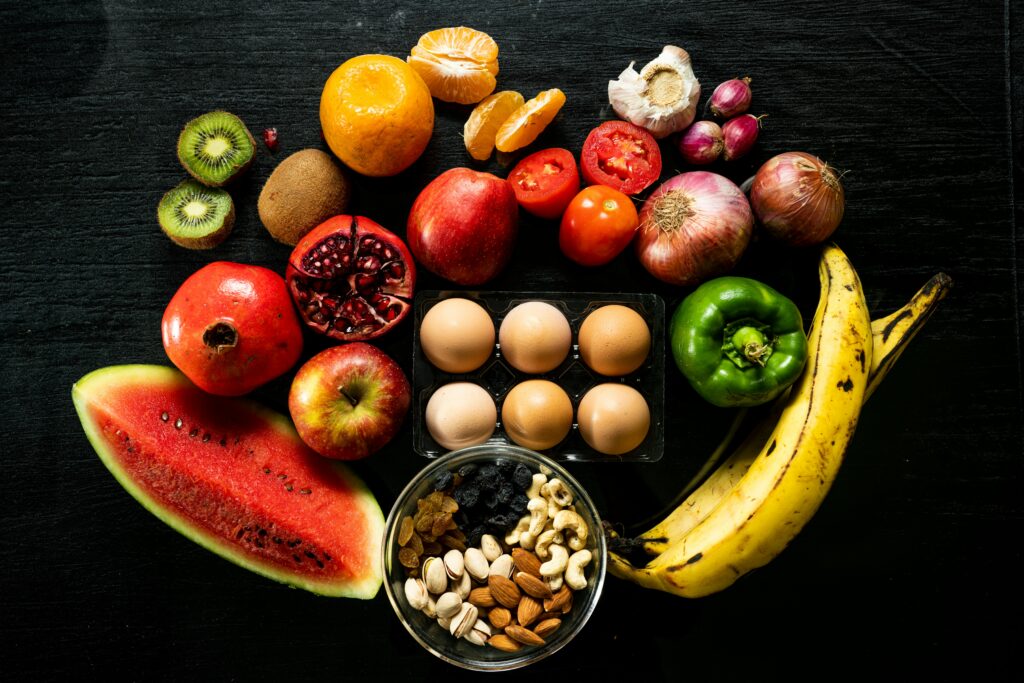
Sure, popping a supplement is easy. But when it comes to building muscle that lasts, whole foods leave the powders in the dust. They deliver complete nutrition protein, fiber, healthy fats, and a full slate of vitamins and minerals in a form your body knows how to use. There’s no lab made mystery blend involved. Just real ingredients powering real gains.
Micronutrient density is the quiet engine behind muscle growth. Spinach gives you magnesium for muscle function. Sardines bring calcium and Vitamin D for bone support. These nutrients don’t travel alone; they come as part of a complex mix that boosts absorption and balance. That synergy matters.
Fiber is another factor you won’t get from a scoop of whey. It feeds gut health, steadies digestion, and keeps energy levels smooth all key when you’re training hard and eating big.
Bottom line: whole foods don’t bring extra junk. No fillers, no artificial sweeteners, no surprises. Just nutrient dense fuel that does the work with you.
Eggs aren’t just breakfast staples they’re one of the most complete protein sources out there. Packed with all nine essential amino acids and a solid dose of leucine (the key to kick starting muscle protein synthesis), eggs are ideal for morning muscle building.
Greek Yogurt comes in strong for recovery. It’s loaded with casein, a slow digesting protein that feeds muscles through the night. Bonus: the live probiotic cultures help gut health, which matters more than most realize when trying to absorb nutrients efficiently.
Lentils & Chickpeas are underrated workhorses. For plant based eaters, they offer a strong mix of protein, fiber, and iron crucial for oxygen transport in heavy training phases. They’re also great for keeping things affordable and versatile in the kitchen.
Chicken breast & lean beef stay at the top of the food chain for one reason: results. Lean poultry gives you high protein with little fat. Beef, especially grass fed, delivers not just complete protein, but also zinc and B12 essential for tissue repair and energy metabolism. Both keep your recovery sharp and your gains steady.
Oats are the steady burners of the carb world. They’re not flashy, but they hit different. Packed with slow digesting carbs and loaded with B vitamins, oats give you long lasting energy while quietly supporting your metabolism in the background. Perfect pre workout fuel, especially if you’re grinding early.
Quinoa earns its rep as a complete plant protein, one of the very few. It brings all nine essential amino acids plus the kind of complex carbs that keep insulin spikes in check. Post lift, it helps rebuild muscle and restock energy, without the crash.
Sweet potatoes round out the trio. They’re potassium rich, easy on the gut, and perfect for replenishing glycogen stores after a hard session. The fiber keeps digestion steady, and the slow carb release means stable fuel not a sugar rush and crash.
Together, these three cover your energy needs from warm up to cool down with no weird additives, no gaps, just solid performance.
Fats That Fuel Hormonal Health
Don’t fear fat. The right kinds are essential, especially when it comes to building muscle and keeping your hormone system firing on all cylinders.
Start with avocados. They’re packed with monounsaturated fats the kind that help support testosterone levels in a natural, sustainable way. No fluff, just clean fuel that feeds key hormonal pathways.
Next up: nuts, particularly almonds and walnuts. The mix of protein, healthy fats, and fiber hits the sweet spot for energy and satiety. You’re not just staying full you’re feeding recovery and stamina between workouts.
Finally, egg yolks and olive oil. Old school, yes. But still undefeated. Egg yolks deliver fat soluble vitamins like D and A, which are critical for muscle repair and overall performance. Olive oil adds antioxidant compounds and helps keep joints moving clean.
When dialed in right, these fats don’t weigh you down they keep you charging forward.
Key Micronutrients and Where to Get Them
You can hit your protein and carb goals all day, but if you’re missing key micronutrients, your performance will plateau. Here’s where real food steps in.
Magnesium, found in spinach and pumpkin seeds, is your unsung hero for muscle contraction and recovery. It helps regulate neuromuscular signals and keeps cramping in check, especially when training volume spikes. Most athletes don’t get enough, so it’s worth paying attention to this one.
Zinc is crucial for hormone health specifically testosterone and recovery processes. You’ll find solid amounts in grass fed beef and lentils. Bonus: zinc also supports immune resilience, which matters when you’re stacking sessions back to back without rest days.
Calcium and Vitamin D team up to keep your bones sturdy under load essential if you’re lifting heavy or pushing high impact training cycles. Sardines offer both in one punch. Fortified mushrooms are a clever plant based option that covers the D gap when sun exposure drops off.
Micronutrients don’t get flashy headlines, but if you ignore them, you’ll feel it in your training. Build your plate to work for your performance, not just your macros.
Meal Prep Without Burnout
Eating for muscle doesn’t mean eating the same three meals every day. The key is rotating your ingredients protein, carbs, fats, and veggies without overcomplicating the process. Build a base plan that hits your macros, then swap in variations week by week. Rotate your protein sources (eggs one week, tofu the next), change up the carb (oats, quinoa, sweet potatoes), and alternate between fat sources like olive oil, nuts, and avocado.
Batch cook in bulk, but don’t box yourself in. Roasting a couple trays of mixed veg and grains while slow cooking your proteins can shave hours off your prep. Keep flavor alive by using different spice blends or sauces (low sugar, whole ingredients). Double up on multi tasking foods Greek yogurt works for breakfast or savory bowls. Leftover lentils? Toss them into salads or soups.
You don’t need a Michelin plan, you need a repeatable system one that adapts easily without falling flat. For more on keeping prep efficient and nutritional, check out How to Simplify Weekly Meal Prep Without Losing Nutrition.
Final Notes on Building Muscle with Real Food
More Than Just “Clean Eating”
In 2026, whole foods go beyond being just a clean alternative they offer complete, synergistic nutrition your body can recognize and use effectively. Unlike highly processed supplements, real food provides:
Balanced macronutrients without unnecessary additives
Naturally occurring vitamins and minerals for full body function
Digestive support from fiber and live enzymes
Keep It Consistent, Not Complicated
You don’t need a chef’s menu or advanced nutrition degree to see results. What matters most is consistency over complexity:
Stick to foods that cover your macro needs (protein, carbs, fats)
Focus on regular intake, not perfection
Create meals you can repeat and look forward to
By choosing reliable, nutrient dense options, you’re building progress into your plate, day after day.
Eat to Fuel, Not Just to Fill
Feeding for muscle growth means thinking long term. Supplements can support, but whole foods should lead the charge:
Train with intention, eat with purpose
Prioritize foods your body understands and uses well
Remember: recovery and adaptation happen outside the gym, and food is the foundation
Whole foods remain the gold standard for supporting muscle gains from performance to recovery and everything in between.
 Terry Gutierrezenics writes the kind of momentum moments content that people actually send to each other. Not because it's flashy or controversial, but because it's the sort of thing where you read it and immediately think of three people who need to see it. Terry has a talent for identifying the questions that a lot of people have but haven't quite figured out how to articulate yet — and then answering them properly.
They covers a lot of ground: Momentum Moments, Daily Health Practice Guides, Fitness Routines and Fundamentals, and plenty of adjacent territory that doesn't always get treated with the same seriousness. The consistency across all of it is a certain kind of respect for the reader. Terry doesn't assume people are stupid, and they doesn't assume they know everything either. They writes for someone who is genuinely trying to figure something out — because that's usually who's actually reading. That assumption shapes everything from how they structures an explanation to how much background they includes before getting to the point.
Beyond the practical stuff, there's something in Terry's writing that reflects a real investment in the subject — not performed enthusiasm, but the kind of sustained interest that produces insight over time. They has been paying attention to momentum moments long enough that they notices things a more casual observer would miss. That depth shows up in the work in ways that are hard to fake.
Terry Gutierrezenics writes the kind of momentum moments content that people actually send to each other. Not because it's flashy or controversial, but because it's the sort of thing where you read it and immediately think of three people who need to see it. Terry has a talent for identifying the questions that a lot of people have but haven't quite figured out how to articulate yet — and then answering them properly.
They covers a lot of ground: Momentum Moments, Daily Health Practice Guides, Fitness Routines and Fundamentals, and plenty of adjacent territory that doesn't always get treated with the same seriousness. The consistency across all of it is a certain kind of respect for the reader. Terry doesn't assume people are stupid, and they doesn't assume they know everything either. They writes for someone who is genuinely trying to figure something out — because that's usually who's actually reading. That assumption shapes everything from how they structures an explanation to how much background they includes before getting to the point.
Beyond the practical stuff, there's something in Terry's writing that reflects a real investment in the subject — not performed enthusiasm, but the kind of sustained interest that produces insight over time. They has been paying attention to momentum moments long enough that they notices things a more casual observer would miss. That depth shows up in the work in ways that are hard to fake.