
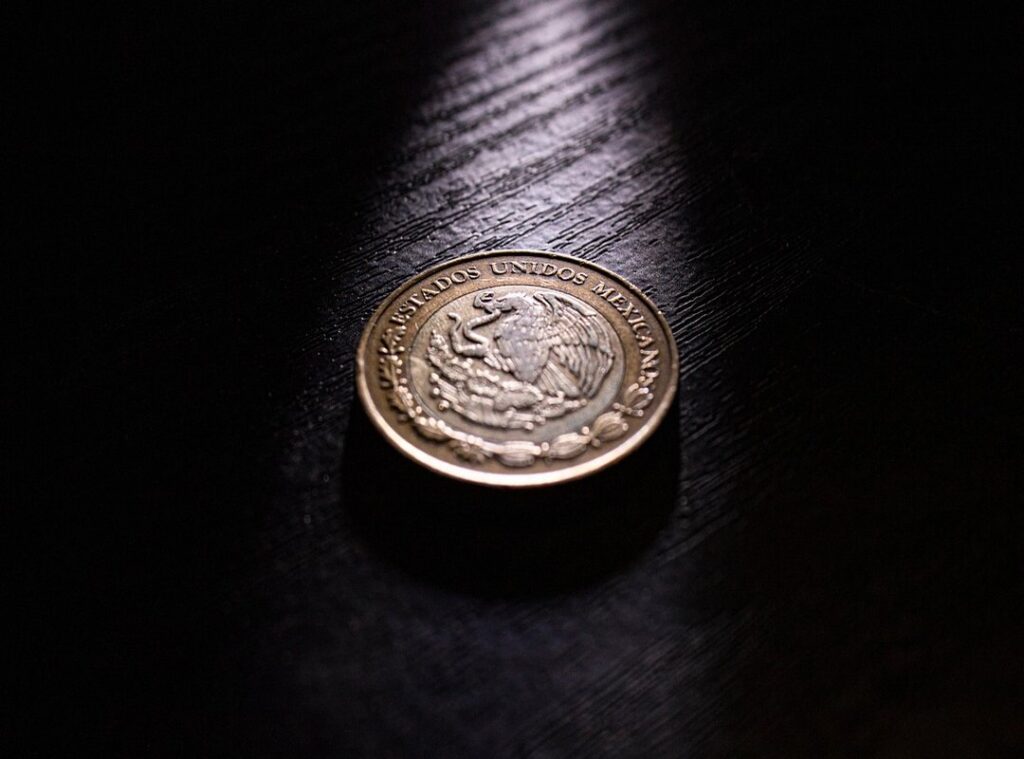
Converting 14,000 pesos mexicanos a chilenos can be a bit tricky. Currency conversion isn’t always straightforward, especially with less common currencies. But don’t worry, I’ve got you covered.
I’ll walk you through the process step by step. You’ll get clear instructions and explanations to make sure you understand everything. Let’s dive in.
Understanding Currency Conversion Basics
Currency conversion. It’s one of those things that can seem a bit confusing at first, but it’s actually pretty straightforward once you get the hang of it.
Why convert currencies? Well, if you’re traveling, buying something from another country, or just want to diversify your investments, you’ll need to swap one currency for another. Simple as that.
Let’s break down some key terms:
- Exchange Rate: This is the rate at which one currency can be exchanged for another. It’s like the price tag on a currency.
- Base Currency: The currency you start with. For example, if you have 14000 pesos mexicanos a chilenos, the base currency is Mexican pesos.
- Quote Currency: The currency you want to end up with. In our example, it would be Chilean pesos.
Understanding these terms is crucial. Without them, you might end up paying more than you should or getting less than you expect.
I’ve seen people lose out because they didn’t understand the basics. Don’t be one of them.
Current Exchange Rates: MXN to CLP
Finding the current exchange rate from Mexican Pesos (MXN) to Chilean Pesos (CLP) can be a bit tricky. But don’t worry, I’ve got you covered.
First, know where to look. Reliable sources for exchange rates include financial news sites and central banks. These are your best bets for up-to-date and accurate information.
For example, as of [Date], the current exchange rate is X MXN to Y CLP. (Replace X and Y with the actual numbers when you check.)
If you’re looking to convert 14000 pesos mexicanos a chilenos, just multiply 14000 by the current rate. Simple math, but it’s crucial to get the latest rate to avoid any miscalculations.
Remember, exchange rates can fluctuate daily, so always check the most recent data. It’s better to be safe than sorry.
Step-by-Step Guide to Converting 14,000 MXN to CLP
Converting 14,000 pesos mexicanos a chilenos can seem daunting, but it’s actually pretty straightforward. Let’s break it down into simple steps.
First, you need to find the current exchange rate. This is crucial because rates fluctuate daily. You can check this on any reliable financial news site or currency converter tool.
Next, set up your conversion formula. It’s as simple as multiplying the amount in Mexican Pesos (MXN) by the exchange rate to get the equivalent in Chilean Pesos (CLP).
Now, perform the calculation. Just plug in the numbers and do the math. For example, if the exchange rate is 50.5 CLP per 1 MXN, then:
14,000 MXN * 50.5 CLP = 707,000 CLP
Always double-check your result. A quick way is to use an online currency converter to verify your calculation.
And there you have it. Simple, right? Now you know exactly how much 14,000 MXN is in CLP.
Factors Affecting Exchange Rates
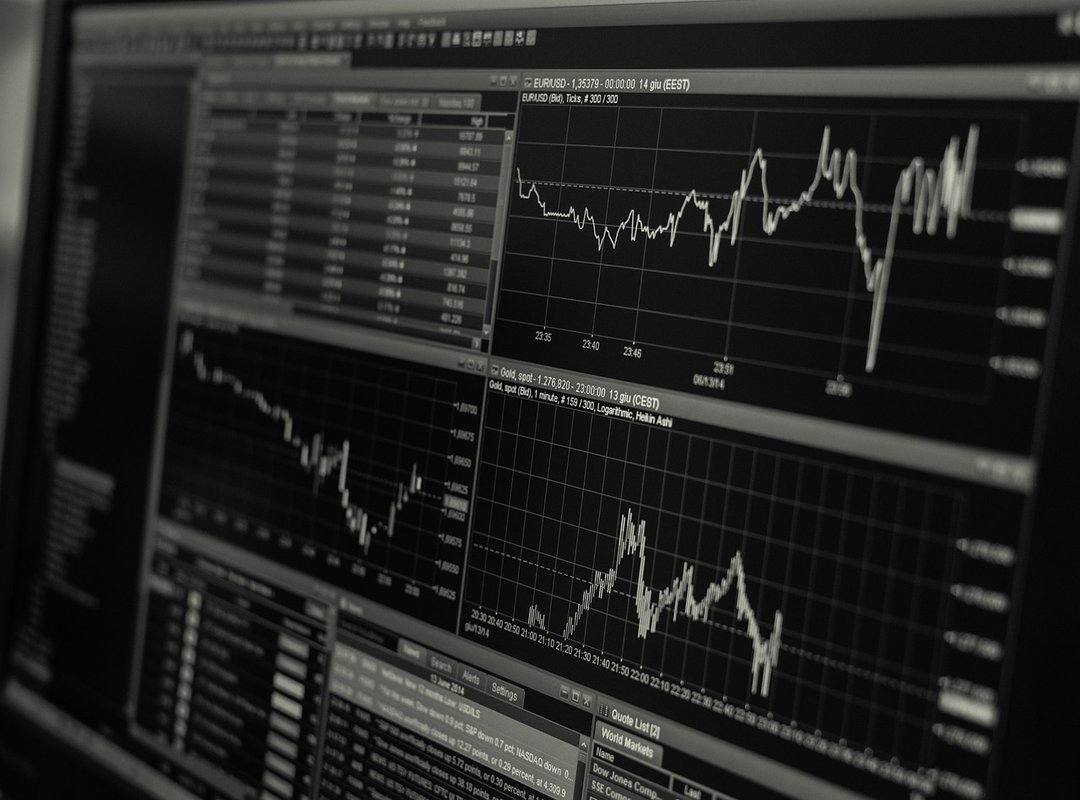
When it comes to exchange rates, a lot of factors come into play. Let’s break it down.
Economic indicators like inflation and interest rates are huge. High inflation can weaken a currency, while higher interest rates can strengthen it. For example, if Mexico has high inflation, the peso might drop compared to the Chilean peso.
Political stability is another big one. Countries with stable governments tend to have stronger currencies. If there’s political turmoil in a country, its currency might take a hit. 14000 pesos mexicanos a chilenos
Market sentiment also plays a role. How people feel about a country’s economy can affect its currency. Positive news can boost a currency, while negative news can bring it down.
Now, let’s talk about the impact on your conversion. Say you want to convert 14000 pesos mexicanos a chilenos. The exchange rate will determine how many Chilean pesos you get.
If the Mexican peso is strong, you’ll get more Chilean pesos. If it’s weak, you’ll get fewer.
Understanding these factors can help you make better decisions. You don’t need to be an expert, but knowing the basics can save you money.
Practical Tips for Currency Conversion
Currency conversion can be a headache. But it doesn’t have to be. Here’s what I recommend.
First, use online currency converters. They’re quick and easy. But don’t just rely on one.
Check multiple sources for accuracy. Different platforms might show slightly different rates, so cross-referencing is key.
Timing is everything. Watch the exchange rates over a few days. You might find that converting your money at a specific time gets you a better deal.
Let’s say you need to convert 14000 pesos mexicanos a chilenos. Do it when the rate is in your favor. It could save you a bit of cash.
Pro tip: Set up alerts on financial apps. They can notify you when the rate hits a sweet spot. That way, you won’t miss out on a good deal.
Keep an eye on the news too. Economic events can affect exchange rates. Being informed helps you make smarter decisions.
In short, use multiple tools, time it right, and stay informed. Your wallet will thank you.
Common Mistakes to Avoid
When converting 14000 pesos mexicanos a chilenos, it’s easy to make mistakes that can cost you. Let’s break down the common pitfalls and how to avoid them.
Ignoring fees and commissions is a big one. Some services charge hidden fees, and those can add up. Compare this to a transparent service where all costs are clear upfront.
Not verifying the exchange rate is another mistake. Exchange rates fluctuate, and some providers might not give you the best rate. Always check the current market rate before making a transaction.
Converting too much or too little can also be a problem. If you convert too much, you might end up with more money than you need, tying up your funds. On the other hand, if you convert too little, you might have to go through the process again, incurring more fees.
| Mistake | Why It Matters | How to Avoid |
|---|---|---|
| Ignoring Fees and Commissions | Hidden fees can reduce your total amount. | Choose a transparent service and read the fine print. |
| Not Verifying the Exchange Rate | Poor rates mean less money for you. | Check the current market rate before converting. |
| Converting Too Much or Too Little | Tying up funds or needing to convert again. | Carefully plan the amount you need to convert. |
By avoiding these common mistakes, you can make sure your 14000 pesos mexicanos a chilenos conversion is as smooth and cost-effective as possible.
Mastering Currency Conversion
Understanding currency conversion is crucial for making informed financial decisions. It allows you to accurately assess the value of money across different countries.
14000 pesos mexicanos a chilenos can seem complex, but with the right steps, it becomes straightforward. First, find the current exchange rate between Mexican Pesos (MXN) and Chilean Pesos (CLP). Then, multiply 14,000 MXN by this rate to get the equivalent in CLP.
By following this guide, you can easily convert 14,000 MXN to CLP. This knowledge is essential for anyone dealing with international transactions or travel.
Stay updated on exchange rates as they fluctuate. Use the tips provided here to ensure successful and accurate conversions.
 There is a specific skill involved in explaining something clearly — one that is completely separate from actually knowing the subject. Suzanne Reillyownser has both. They has spent years working with nutrition optimization plans in a hands-on capacity, and an equal amount of time figuring out how to translate that experience into writing that people with different backgrounds can actually absorb and use.
Suzanne tends to approach complex subjects — Nutrition Optimization Plans, Bikim High-Intensity Intervals, Fitness Routines and Fundamentals being good examples — by starting with what the reader already knows, then building outward from there rather than dropping them in the deep end. It sounds like a small thing. In practice it makes a significant difference in whether someone finishes the article or abandons it halfway through. They is also good at knowing when to stop — a surprisingly underrated skill. Some writers bury useful information under so many caveats and qualifications that the point disappears. Suzanne knows where the point is and gets there without too many detours.
The practical effect of all this is that people who read Suzanne's work tend to come away actually capable of doing something with it. Not just vaguely informed — actually capable. For a writer working in nutrition optimization plans, that is probably the best possible outcome, and it's the standard Suzanne holds they's own work to.
There is a specific skill involved in explaining something clearly — one that is completely separate from actually knowing the subject. Suzanne Reillyownser has both. They has spent years working with nutrition optimization plans in a hands-on capacity, and an equal amount of time figuring out how to translate that experience into writing that people with different backgrounds can actually absorb and use.
Suzanne tends to approach complex subjects — Nutrition Optimization Plans, Bikim High-Intensity Intervals, Fitness Routines and Fundamentals being good examples — by starting with what the reader already knows, then building outward from there rather than dropping them in the deep end. It sounds like a small thing. In practice it makes a significant difference in whether someone finishes the article or abandons it halfway through. They is also good at knowing when to stop — a surprisingly underrated skill. Some writers bury useful information under so many caveats and qualifications that the point disappears. Suzanne knows where the point is and gets there without too many detours.
The practical effect of all this is that people who read Suzanne's work tend to come away actually capable of doing something with it. Not just vaguely informed — actually capable. For a writer working in nutrition optimization plans, that is probably the best possible outcome, and it's the standard Suzanne holds they's own work to.