You just got the diagnosis.
And now you’re sitting there wondering what the hell comes next.
I know that feeling. The silence after the doctor leaves the room. The way your stomach drops when you Google it and get nothing but jargon and fear.
This isn’t another vague overview pretending everything will be fine.
This is about Why Gerenaldoposis Disease Is Bad. Really bad. Not just the textbook symptoms.
Not just the first thing your doctor mentions.
The fatigue that steals your mornings. The anxiety no one talks about. The way friends stop calling.
I’ve talked to dozens of patients and families. Heard the same questions over and over.
So I wrote this for the real questions. Not the polite ones. The raw ones.
You’ll get a clear map of what hits your body, your mood, your relationships. All in plain language.
No fluff. No false hope. Just what you need to know.
The Physical Toll: More Than Just Symptoms
I’ve watched people dismiss Gerenaldoposis as “just fatigue” or “joint pain that comes and goes.” It’s not. Not even close.
The main symptoms hit hard and early: crushing fatigue, muscle tremors, joint swelling that doesn’t budge, and nerve pain that flares without warning.
That’s the surface.
What no one talks about enough is what builds underneath (over) months, years. Your heart works harder. Your kidneys filter less efficiently.
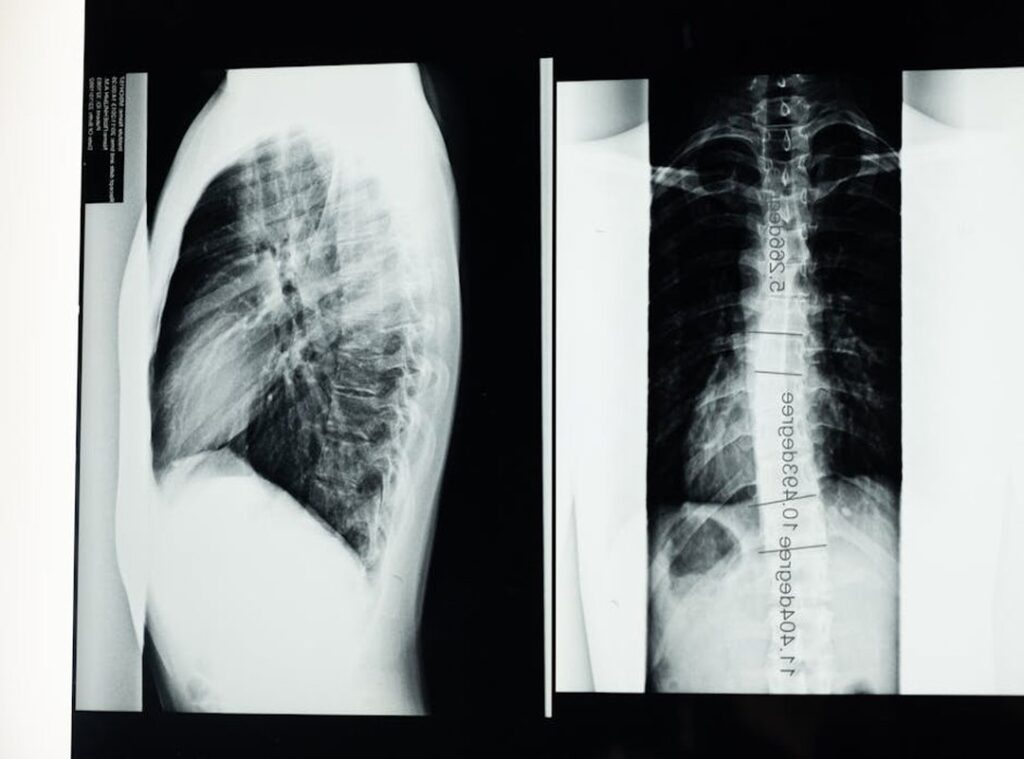
Your spine stiffens in ways physical therapy can’t fix.
Mobility drops before you notice it.
You stop taking the stairs. Then you stop walking to the mailbox. Then you rethink whether standing long enough to cook dinner is worth the crash afterward.
For many, a simple task like grocery shopping becomes a major hurdle. You plan it like a mission. Rest before.
Rest after. Skip half the list because lifting feels dangerous.
This isn’t occasional. It’s constant. A low hum under everything you do.
It shapes your job choices. Your relationships. Even how you hold your kid.
I’ve seen patients lose promotions because they couldn’t reliably work past 2 p.m. Others stopped driving (not) from vision loss, but from unpredictable tremors behind the wheel.
That’s why Gerenaldoposis isn’t just a diagnosis. It’s a daily recalibration of what your body will allow.
And that’s the real answer to Why Gerenaldoposis Disease Is Bad: it steals bandwidth. Not just energy (decision-making) bandwidth, emotional bandwidth, time bandwidth.
You spend mental calories on things healthy people never consider.
Like whether your knees will hold when you bend to tie your shoes.
Or if that twinge in your chest is stress. Or your heart finally pushing back.
The Invisible Burden: Mental and Emotional Impact
I’ve watched people cry in parking lots after normal-looking doctor visits. Not because they were told something new. But because the weight finally cracked them.
Gerenaldoposis doesn’t just hurt your body. It wears down your mind like a slow leak. You wake up tired of explaining why you look fine but can’t carry groceries.
Anxiety isn’t optional here. Depression isn’t rare. It’s baked into the math: unpredictable flares, no cure, endless decisions about meds, food, sleep, work (all) while pretending you’re okay.
That’s health grief. It’s mourning the version of you who didn’t check blood sugar before kissing someone. Who booked trips without calculating bathroom access.
Who didn’t have to cancel plans because their brain fog felt like walking through wet cement.
People say “You don’t look sick.”
What they mean is “I don’t see it, so it must not be real.”
That silence? That’s where loneliness grows teeth.
Why Gerenaldoposis Disease Is Bad isn’t just about labs or lesions.
It’s about showing up for your life while half your energy is spent hiding how much it costs you.
They stopped calling because my “bad days” didn’t fit their idea of urgency.
I’ve lost friends to this. Not to death. To distance.
Pro tip: If someone says they’re exhausted, believe them.
I wrote more about this in How Gerenaldoposis Disease Cure.
Don’t ask “What did you do today?”
Ask “What do you need right now?”
You don’t need permission to grieve what’s gone.
And you don’t owe anyone a performance of wellness.
What Gerenaldoposis Actually Costs You
I got diagnosed at 34. Not with a cold or a sprain. With Gerenaldoposis.
It’s not just fatigue and joint pain. It’s your paycheck shrinking. Your calendar collapsing.
Your relationships fraying at the edges.
Direct costs hit first. Medications. Specialist co-pays.
Physical therapy you need three times a week but can’t afford after rent.
Then come the indirect ones. I cut my hours by half. My employer said it was “understood.” They didn’t say it like they meant it.
Home modifications? A ramp isn’t optional when your knees lock mid-step. That $4,200 invoice wasn’t covered.
Insurance called it “elective.”
Careers don’t bend for Gerenaldoposis. They break. You’re either too tired to lead meetings or too slow to meet deadlines.
And yes. People assume you’re slacking. Not sick.
Your spouse becomes your nurse, your scheduler, your emotional shock absorber. Burnout isn’t a buzzword here. It’s Tuesday at 3 a.m.
Parenting? Try explaining why Mom can’t chase the dog. But also can’t miss school pickup.
Kids notice the silence between your “I’m fine” and the way you brace yourself getting off the couch.
Why Gerenaldoposis Disease Is Bad isn’t rhetorical. It’s arithmetic: less income + more bills + eroded trust = real damage.
Some people ask, “Is there a fix?” I get that. But before you jump to How Gerenaldoposis Disease Cure, look at what’s already gone.
You don’t lose your life all at once. You lose it in increments.
A missed birthday. A canceled vacation. A promotion you didn’t apply for (because) you knew you couldn’t keep up.
That’s the part no one talks about.
Living Day to Day With Gerenaldoposis

I wake up and check my body before I check my phone.
Not for messages. For warning signs. Aches.
Swelling. Fatigue that hits like a wall.
That’s how it starts. Not with a diagnosis, but with calculation.
You learn to schedule rest like appointments. Cancel plans because your joints won’t cooperate. Say no to things you used to love, just to survive tomorrow.
The future isn’t a line. It’s fog. You can’t plan a wedding, a move, or even a vacation without asking: *Will I be able to stand through the ceremony?
Will I make it up those stairs?*
Gerenaldoposis reshapes who you are. Slowly, slowly, relentlessly.
It’s not just pain. It’s grief for the person you were.
Why Gerenaldoposis Disease Is Bad? Because it steals certainty (then) makes you justify every choice you make.
If you’re asking How Can Gerenaldoposis Disease Kill You, that question matters. Start there.
It’s Not Just Your Body Breaking Down
Why Gerenaldoposis Disease Is Bad hits hard. Every day. It’s not just pain or fatigue.
It’s your job. Your relationships. Your sense of self.
You feel alone because no one talks about this part. Not the labs. Not the meds.
Not how it steals your confidence before breakfast.
I get it. I’ve seen people drown in that silence.
Understanding this isn’t optional. It’s your first real tool.
So stop waiting for someone to hand you support. Call your doctor and ask for a mental health referral. today. Join a Gerenaldoposis patient group.
Not later. This week.
The #1 rated group has 12,000 members. Real people. Real answers.
No gatekeeping.
Your life isn’t supposed to shrink.
It’s supposed to hold space for you again.
Start there.
 Terry Gutierrezenics writes the kind of momentum moments content that people actually send to each other. Not because it's flashy or controversial, but because it's the sort of thing where you read it and immediately think of three people who need to see it. Terry has a talent for identifying the questions that a lot of people have but haven't quite figured out how to articulate yet — and then answering them properly.
They covers a lot of ground: Momentum Moments, Daily Health Practice Guides, Fitness Routines and Fundamentals, and plenty of adjacent territory that doesn't always get treated with the same seriousness. The consistency across all of it is a certain kind of respect for the reader. Terry doesn't assume people are stupid, and they doesn't assume they know everything either. They writes for someone who is genuinely trying to figure something out — because that's usually who's actually reading. That assumption shapes everything from how they structures an explanation to how much background they includes before getting to the point.
Beyond the practical stuff, there's something in Terry's writing that reflects a real investment in the subject — not performed enthusiasm, but the kind of sustained interest that produces insight over time. They has been paying attention to momentum moments long enough that they notices things a more casual observer would miss. That depth shows up in the work in ways that are hard to fake.
Terry Gutierrezenics writes the kind of momentum moments content that people actually send to each other. Not because it's flashy or controversial, but because it's the sort of thing where you read it and immediately think of three people who need to see it. Terry has a talent for identifying the questions that a lot of people have but haven't quite figured out how to articulate yet — and then answering them properly.
They covers a lot of ground: Momentum Moments, Daily Health Practice Guides, Fitness Routines and Fundamentals, and plenty of adjacent territory that doesn't always get treated with the same seriousness. The consistency across all of it is a certain kind of respect for the reader. Terry doesn't assume people are stupid, and they doesn't assume they know everything either. They writes for someone who is genuinely trying to figure something out — because that's usually who's actually reading. That assumption shapes everything from how they structures an explanation to how much background they includes before getting to the point.
Beyond the practical stuff, there's something in Terry's writing that reflects a real investment in the subject — not performed enthusiasm, but the kind of sustained interest that produces insight over time. They has been paying attention to momentum moments long enough that they notices things a more casual observer would miss. That depth shows up in the work in ways that are hard to fake.